

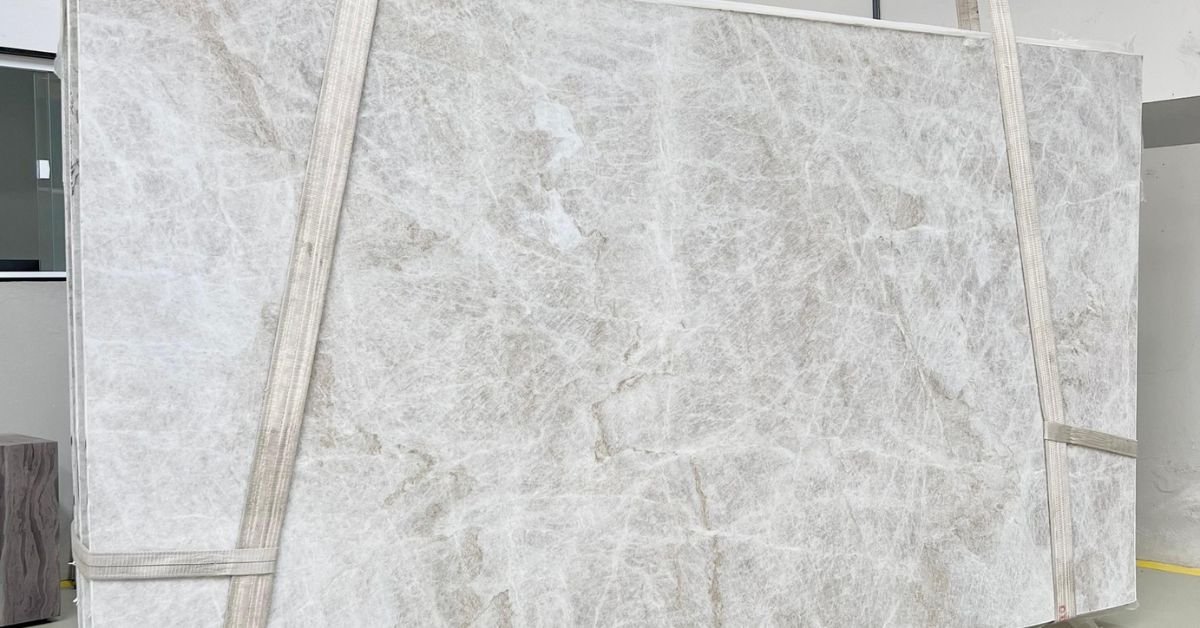
Everything You Need To Know About Sealing Stone Slabs
Sealing plays an important role in protecting many stone surfaces from everyday wear. Homeowners and designers often focus on color and finish first, but long-term performance depends on proper care after installation.
Stone slabs face spills, moisture, oils, and regular cleaning products. A quality sealer helps reduce absorption, supports easier maintenance, and helps preserve the look of the surface over time. To protect your stone slab investment, here is everything you need to know about sealing stone slabs from the experts at Arista Stones.
What Sealing Does for Stone Slabs
A stone sealer helps slow the rate at which liquids absorb into the surface. That extra protection can help reduce staining from oil, wine, coffee, cosmetics, and other common household products.
All natural stone has pores, and sealing helps fill and protect those pores so unwanted substances do not soak in as easily. Porous structure is a normal part of natural stone, which is why sealing matters for marble, granite, quartzite, and other natural materials.
Sealing does not make stone stain proof or damage proof. It adds protection, but the surface still needs prompt cleanup and proper cleaning and care.
Not every slab needs the same level of protection. Natural stone and man-made surfaces vary in density, porosity, and maintenance needs, so sealing requirements differ from one material to another.
Which Stone Slabs Usually Need Sealing
All natural stone slabs should be sealed because they contain pores that can absorb moisture and stains. Marble, granite, quartzite, and some limestone surfaces often fall into this category.
Porosity can vary even within the same stone category. One marble slab may absorb quickly, while another may perform differently based on density and finish.
Quartz And Porcelain Should Not Be Sealed
Quartz and porcelain should never be sealed. These materials are nonporous, and applying sealer can interfere with the surface, create buildup, and even go against the manufacturer warranty.
Quartz and porcelain already offer stronger stain resistance because they do not have the same pore structure as natural stone. That does not mean they are indestructible, but it does mean sealing is unnecessary and can cause problems instead of preventing them.
Quartz also is not heat resistant in the same way many natural stones are, which makes proper material selection especially important in kitchens and other hardworking spaces.
Natural Stone Vs. Man-Made Stone
Natural stone comes from the earth, so each slab has unique mineral composition, movement, and porosity. Those differences affect how the slab reacts to moisture, oils, and cleaning products.
Man-made surfaces offer more consistency from slab to slab. That consistency often makes care expectations easier to understand, but it does not eliminate the need for smart material selection and proper maintenance.
For homeowners and designers comparing options, this is where experience matters. A knowledgeable supplier like Arista Stones can help match the right material to the project’s traffic level and maintenance expectations.
Common Mistakes To Avoid
One common mistake is assuming every stone slab needs the same care. That assumption can lead to the wrong material choice or the wrong maintenance routine.
Another common mistake is sealing quartz or porcelain. Those surfaces should remain unsealed, and adding sealer can create unnecessary issues instead of extra protection.
The biggest mistake may be treating sealing as a one-time fix. Ongoing care always matters, especially with high quality natural stone used in active kitchens and baths.
Guidance On Sealing Stone Slabs
Sealing stone slabs is an important part of protecting many surfaces, but it is only one part of long-term performance. The right slab, the right finish, professional installation, and sealing from the fabricator all work together.
Homeowners and designers benefit most when they understand sealing stone slabs and what it does, what it does not do, and how care needs vary by material. Better information leads to better decisions and longer-lasting results.
For expert guidance on selecting natural and man-made stone slabs for kitchens, bathrooms, and custom spaces, contact Arista Stones. Arista Stones helps homeowners and designers choose materials with confidence and supports every project with experienced, honest slab selection guidance.
When Sealing Should Happen
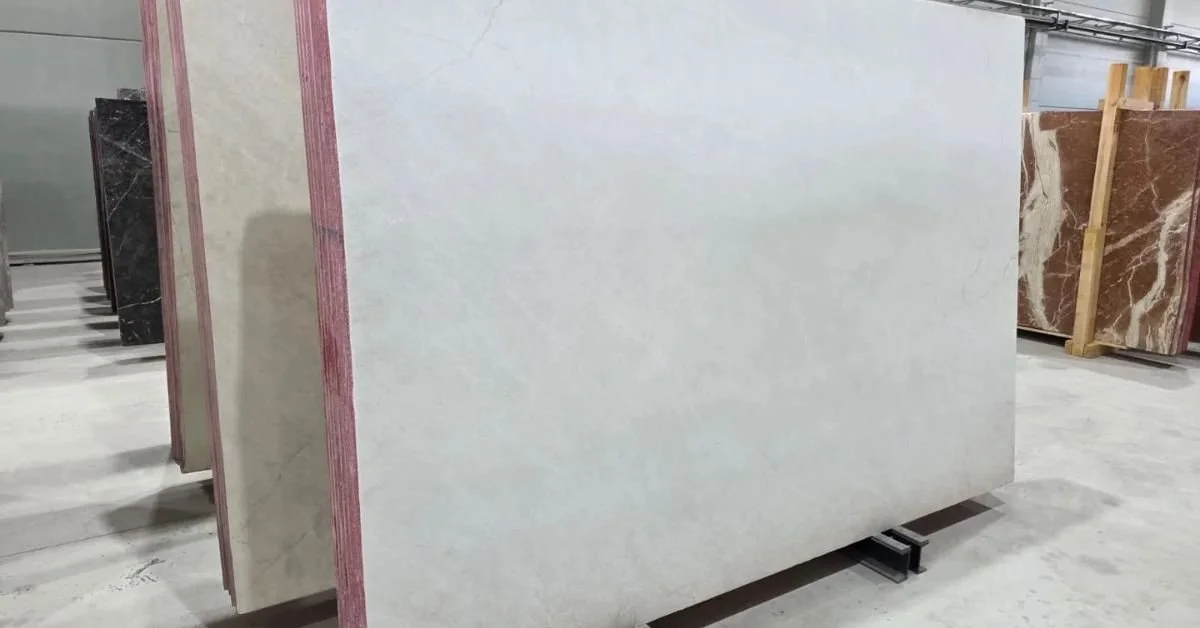
Natural stone usually should be sealed by the fabricator in the shop before installation. That step helps protect the slab in case spills or messes happen during transport, installation, or the first days of use.
Because our team at Arista Stones supplies the slab and doesn’t perform fabrication or sealing, the best next step is to ask the fabricator to seal the material before installation or call the fabricator directly for more information about sealing products and timing.
That distinction matters because stone suppliers and fabricators serve different roles. Slab suppliers help customers choose the right material, while fabricators and installers manage cutting, finishing, installation, and final site treatment.
What Sealing Can And Cannot Do
Understanding the limits of sealant helps set realistic expectations. A sealant supports protection, but it does not replace good habits.
Helps reduce absorption from spills
Supports easier routine cleanup
Helps preserve the appearance of many natural stones
Does not prevent etching from acidic products
Does not stop scratches, chips, or heat damage
A strong care plan combines the right material, proper sealing, and daily use habits that fit the surface. That approach protects the investment and helps the slab look its best longer.
Etching Is Part of the Natural Aging Process
Etching is a natural part of stone, especially marble, so don’t treat it like a defect. Etching is part of the aging process and creates the soft patina that gives natural stone much of its long-term appeal.
Beautifully aged marble is part of what makes old interiors, historic spaces, and European stonework so admired. That lived-in finish is one reason many people choose marble in the first place.
Kitchen And Bathroom Considerations
Kitchens place heavy demands on stone surfaces. Oils, sauces, coffee, wine, and frequent wipe-downs can test the performance of the slab and the strength of its protective barrier.
Bathrooms bring a different set of concerns. Cosmetics, soap residue, standing water, and cleaning chemicals can all affect the surface over time.
That is why project location matters during material selection. A beautiful slab should also support the practical needs of the room where it will live.
Sealing And Finish Type
Finish affects both appearance and maintenance. Polished stone often has a tighter feel and stronger stain resistance than more textured finishes, but it can still need sealing depending on the material.
Honed and leathered finishes may show water, oils, or fingerprints differently. They can also respond differently to sealers, which makes product selection and application method important.
Common Mistakes To Avoid
One common mistake is assuming every stone slab needs the same care. That assumption can lead to the wrong material choice or the wrong maintenance routine.
Another common mistake is sealing quartz or porcelain. Those surfaces should remain unsealed, and adding sealer can create unnecessary issues instead of extra protection.
The biggest mistake may be treating sealing as a one-time fix. Ongoing care always matters, especially with high quality natural stone used in active kitchens and baths.
Guidance On Sealing Stone Slabs
Sealing stone slabs is an important part of protecting many surfaces, but it is only one part of long-term performance. The right slab, the right finish, professional installation, and sealing from the fabricator all work together.
Homeowners and designers benefit most when they understand sealing stone slabs and what it does, what it does not do, and how care needs vary by material. Better information leads to better decisions and longer-lasting results.
For expert guidance on selecting natural and man-made stone slabs for kitchens, bathrooms, and custom spaces, contact Arista Stones. Arista Stones helps homeowners and designers choose materials with confidence and supports every project with experienced, honest slab selection guidance.