

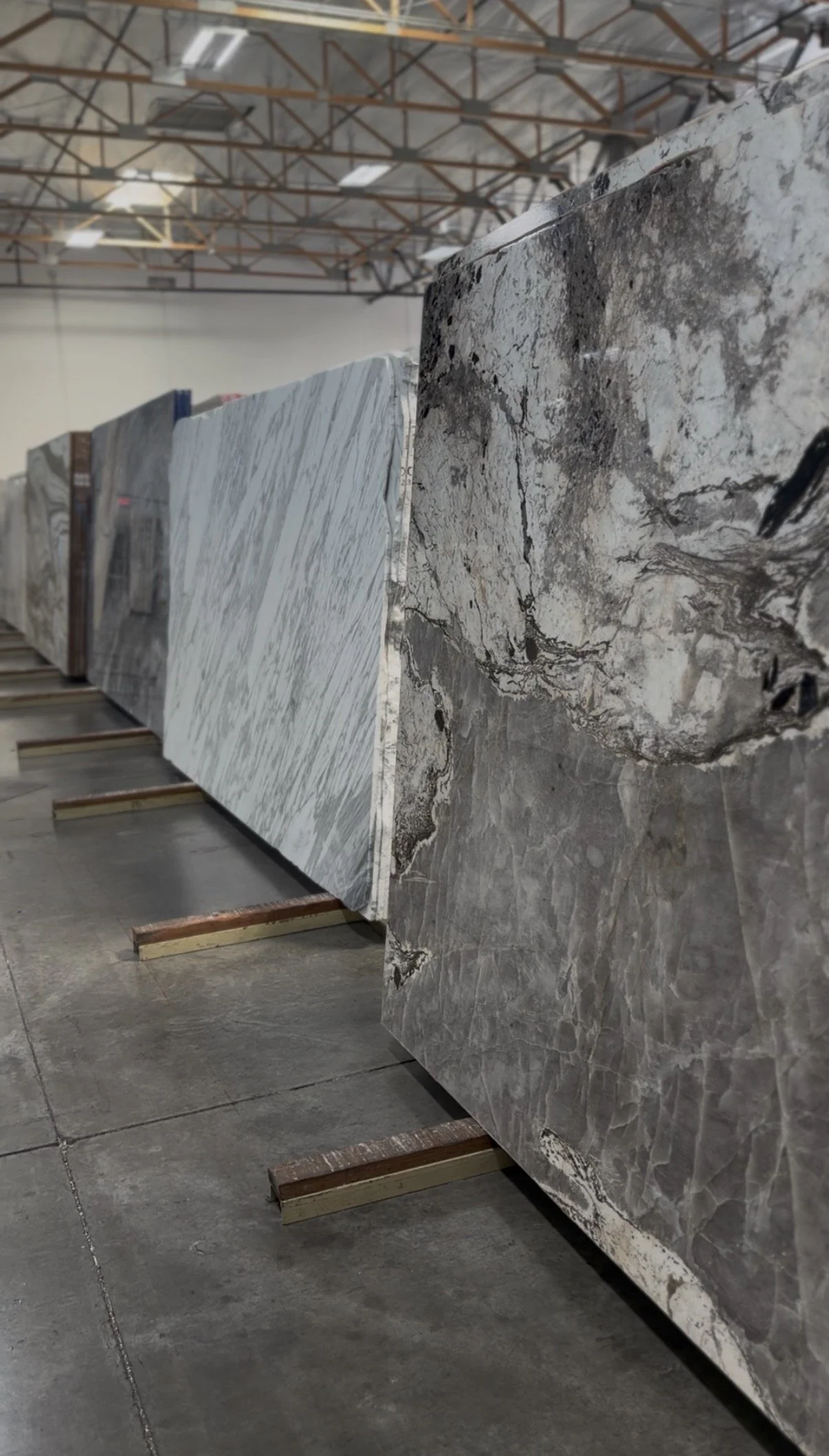
Quartz vs Quartzite: What Designers Actually Choose in 2026
At a glance, quartz and quartzite look interchangeable. In reality, they serve completely different purposes—and choosing the wrong one can compromise both design and longevity.
If you're designing a kitchen, bathroom, or full-scale project, the difference isn’t just aesthetic. It’s structural, functional, and long-term.
What is Quartz?
Quartz is an engineered surface made from natural quartz crystals combined with resins and pigments.
It’s consistent, controlled, and predictable.
Best for:
Clean, modern designs
Projects requiring uniformity
Low-maintenance lifestyles
What is Quartzite?
Quartzite is a natural stone formed under extreme heat and pressure over millions of years.
It’s stronger than granite, naturally resistant to heat, and entirely unique from slab to slab.
Best for:
High-end kitchens
Statement islands
Clients who want natural movement and depth
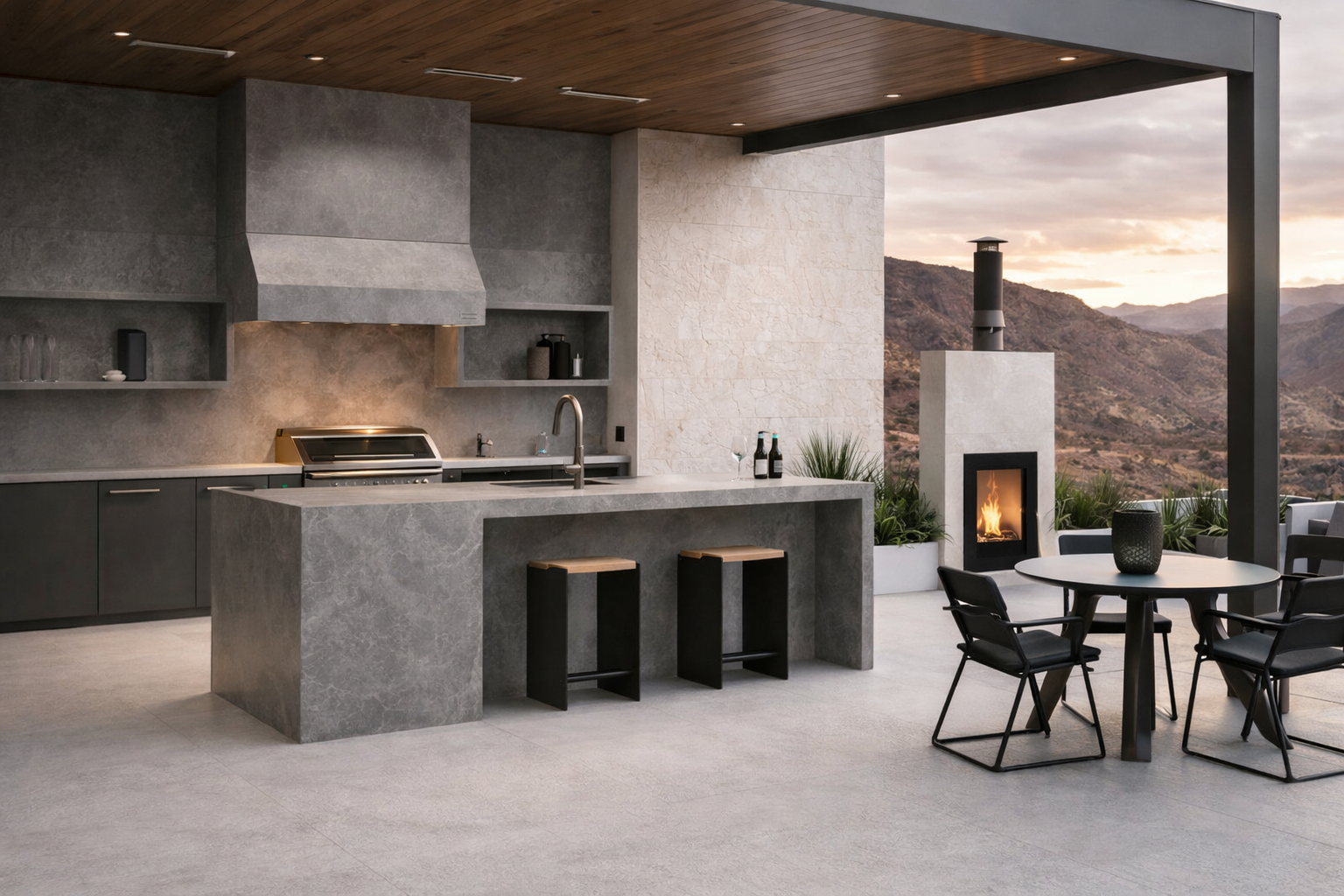
The Real Difference
Quartz offers control. Quartzite offers character.
Designers tend to lean toward quartzite when the goal is to create something that feels elevated and irreplaceable. Quartz is often selected when consistency and ease take priority.
Durability & Performance
Quartz:
Non-porous
No sealing required
Can be sensitive to heat
Quartzite:
Extremely durable
Heat resistant
Requires sealing, but minimal upkeep
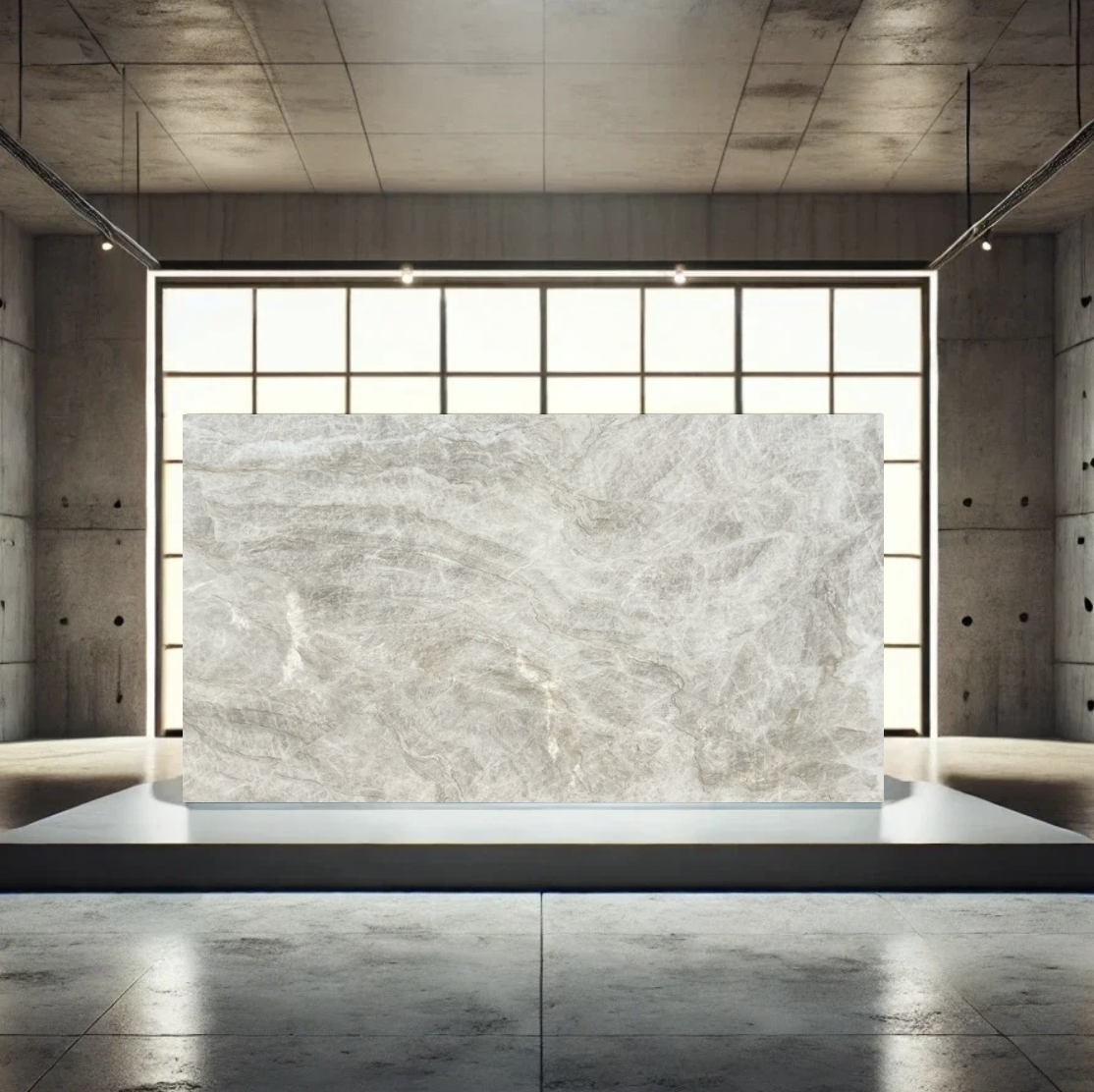
What Designers Are Choosing in 2026
There’s a clear shift happening.
Flat, uniform surfaces are being replaced by movement, veining, and natural variation. Quartzite continues to lead in high-end design because it delivers something engineered materials cannot—depth.
Final Thought
The right material depends on how the space will be used and how it’s meant to feel.
If the goal is simplicity, quartz delivers.
If the goal is impact, quartzite leads.
The difference becomes clear when you see full slabs in person.
