

How Engineered Stone Slabs Age Over Time: Patina vs. Wear
Engineered stone slabs offer consistency and durability for kitchens, bathrooms, laundry rooms, fireplaces, and other high-use surfaces. Homeowners often choose these materials for their low-maintenance qualities and dependable performance in daily life.
As engineered stone ages, its surface can change in subtle ways. Some changes add character and visual depth, while others signal damage or use beyond the material’s limits. Understanding the difference between patina and wear helps homeowners set realistic expectations before selecting an engineered stone slab.
What Is Engineered Stone?
Engineered stone refers to manmade stone surfaces that manufacturers produce using minerals, pigments, resins, binders, or advanced firing processes. Quartz and porcelain remain two of the most common engineered stone options for residential surfaces.
Quartz slabs typically contain ground quartz, pigments, and resin binders. Porcelain slabs come from refined clay and minerals that manufacturers fire at high temperatures to create dense, hard surfaces.
Each material ages differently because each material has a different composition. Quartz offers a smooth, nonporous surface with consistent color and pattern, while porcelain delivers high heat resistance and strong durability in thin, large-format slabs.
What Patina Means On Engineered Stone
Patina refers to the natural visual softening that develops as a surface sees regular use. On engineered stone, patina usually appears subtle because these surfaces do not age like marble or other porous natural stones.
A well-used quartz countertop may show slight changes in sheen over time, especially in high-touch areas. A porcelain surface may maintain its original look for many years, though the finish can take on a softer appearance in areas that receive frequent cleaning or contact. Patina does not usually reduce performance, but reflects normal household use and careful maintenance rather than damage.
What Wear Means on Engineered Stone
Wear describes visible or functional damage that affects the surface beyond normal aging. Scratches, chips, dull spots, resin discoloration, impact marks, and heat-related damage all count as wear.
Wear can occur when the surface faces conditions outside its intended use. Common causes include:
dragging heavy objects
cutting directly on the surface
placing hot pans on quartz
using harsh cleaners
choosing the wrong material for the application
Aging does not always mean failure. However, repeated misuse can make engineered stone look older faster than expected.
How Quartz Slabs Age Over Time
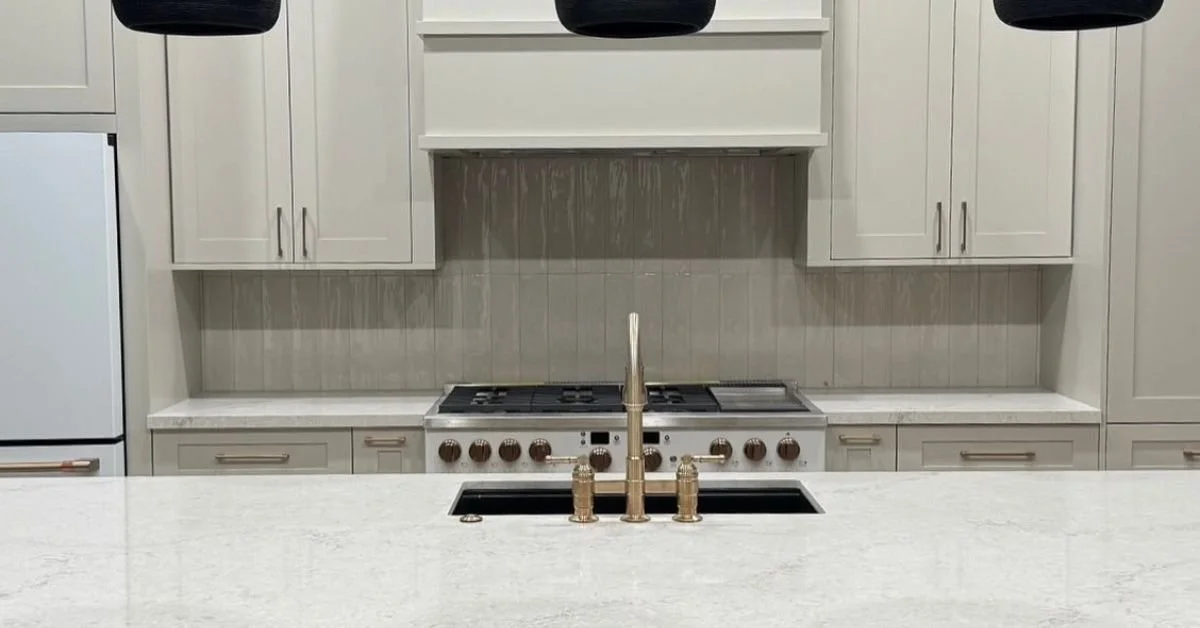
Quartz slabs hold up well in busy homes because they resist staining, do not require sealing, and offer consistent performance with basic care. The surface does not absorb liquids the way many natural stones can, which makes quartz a practical option for kitchens and bathrooms.
Over time, quartz can develop minor surface changes in areas with heavy daily use. Homeowners may notice softened sheen near sinks and prep zones or islands where hands, dishes, and cleaning cloths make frequent contact.
Quartz can also show wear when exposed to high heat. Resin binders in quartz do not tolerate direct heat as well as natural stone or porcelain, so it’s important to use trivets and hot pads.
How Porcelain Slabs Age Over Time
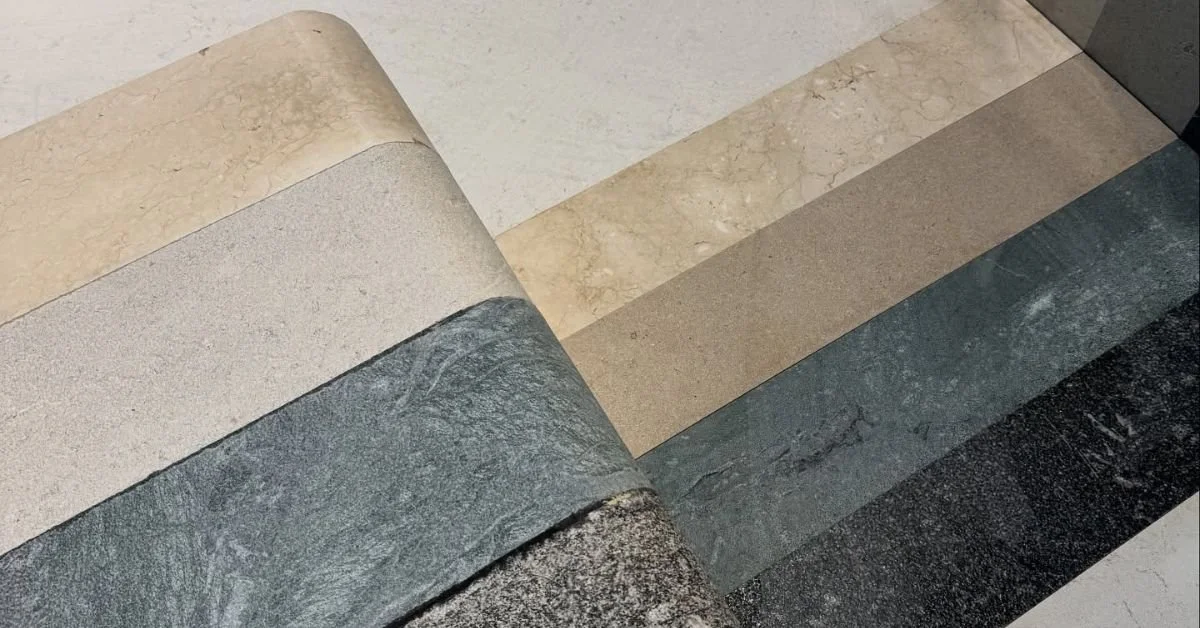
Porcelain slabs age differently because they offer a dense, fired surface with strong resistances. Many homeowners choose porcelain for kitchens, shower walls, fireplace surrounds, and other areas that need durability with a refined look. Porcelain typically resists fading better than many other surface materials. This makes it a strong option for spaces with sunlight exposure or indoor-outdoor design goals.
Still, porcelain can chip along exposed edges if it receives sharp impacts. Large-format porcelain also requires skilled handling and professional installation, so homeowners should avoid DIY installation.
Patina Vs. Damage In Daily Use
Patina usually appears gradually and evenly on a stone surface. Wear often appears sudden, uneven, or concentrated in one area.
A softened sheen across a busy prep zone may represent normal use. A deep scratch, circular dull mark, burn spot, or edge chip points to wear.
Homeowners can use the following signs to understand the difference:
Normal patina: slight softening of sheen, gentle surface mellowing, and even visual change
Problem wear: chips, cracks, burns, deep scratches, discoloration, and rough spots
Maintenance issue: cloudy residue, streaking, film buildup, and dullness from harsh products
Installation concern: uneven seams, unsupported overhangs, and stress cracks
A slab expert like Arista Stones can help homeowners review material choices before purchase.
How Color And Pattern Influence Wear Visibility
Color and pattern also affect how engineered stone ages visually. White and light neutral slabs can show certain stains or dark transfer marks more clearly.
Dark slabs may reveal fingerprints, water spots, dust, and cleaning streaks. Solid colors often show wear more than surfaces with veining or layered patterns.
A busy pattern can help disguise daily use in kitchens and high-traffic spaces. A quiet, minimal surface can look refined, but it may require more consistent cleaning habits to maintain a crisp appearance.
How To Reduce Visible Wear
Engineered stone does not need complicated care, but small habits protect the surface. Cutting boards help prevent scratches and protect knives. Trivets help shield quartz from hot cookware. Soft cloths reduce cleaning marks and residue. Prompt cleanup also matters. Quartz resists stains well, but sauces, oils, wine, coffee, and pigments should not sit longer than necessary.
Homeowners should avoid dragging appliances or heavy decor across the surface. Felt pads under countertop accessories can help reduce friction in high-use areas.

When Aging Should Influence Slab Selection
Surface aging should factor into the selection process before a homeowner falls in love with a color. A beautiful slab still needs to match the room, the lighting, the finish preference, and the expected level of use.
A slab with a dramatic pattern may suit a statement island or fireplace surround. A softer neutral may support a long-term kitchen design that needs flexibility through future decor changes.
Arista Stones helps homeowners, designers, contractors, and fabricators explore premium natural and manmade stone slabs with guidance rooted in more than 24 years of industry experience. That experience helps customers compare materials clearly before making a final selection.
Choose Engineered Stone With Long-term Performance In Mind
Engineered stone slabs can age beautifully when homeowners choose the right material and care for it properly. Patina reflects normal use and subtle character, while wear points to damage or stress on engineered stone slabs over time.
Visit Arista Stones to explore engineered stone slabs in person and compare options with an experienced team. A showroom visit is the best way to evaluate color, pattern, finish, and performance before selecting the surface that will support the home for years.