

Common Mistakes To Avoid When Choosing Porcelain Slabs
Porcelain slabs offer a versatile surface option for many interior applications, with a wide range of colors, patterns, and finishes available. The right choice depends on more than appearance alone. Homeowners often focus on their favorite pattern before reviewing practical details.
A better process considers where you will place it and daily use. It also considers fabrication needs and long-term care. Consider the common mistakes to avoid when choosing porcelain slabs for your application.
Choosing a Slab Based Only on a Small Sample
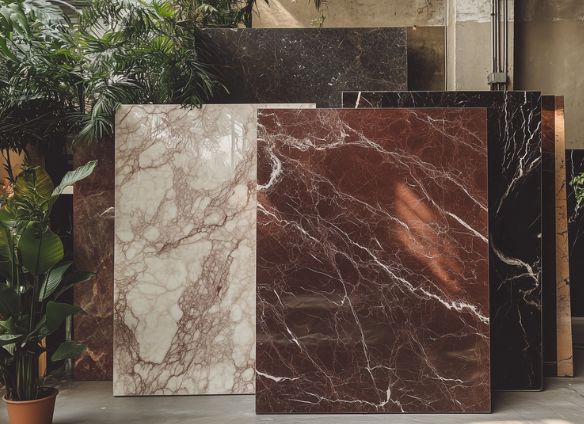
A small sample can show general color and texture. It cannot show the full movement or pattern across an entire slab. Porcelain slabs may feature large-scale veining, directional patterns, or other details that are easier to evaluate across the full surface. Reviewing the full slab helps prevent surprises.
Full slab viewing also makes layout planning easier. Important visual features can receive more thoughtful placement.
Assuming Every Porcelain Slab Performs the Same
Porcelain slabs can vary by manufacturer, product line, thickness, finish, and recommended application. These differences affect how installers and fabricators specify and fabricate a particular slab.
A product may work well for a bathroom vanity but require special planning for another application. Manufacturer guidance should shape every selection. Ask which porcelain slabs suit the intended location. Confirm the recommended applications and any product-specific requirements or limitations before making a final selection.
Ignoring the Room’s Daily Use
A surface should support the way a room functions. A light surface may show dark debris more clearly. A dark polished surface may reveal fingerprints or water marks more easily.
For high-use rooms, the more important question is less about whether porcelain can handle everyday life and more about whether it is fabricated correctly. Once installed, it is an exceptionally durable surface. Normal spills, heat, and traffic are not the same concern they can be with more delicate materials.
Overlooking Finish Options
Finish affects both appearance and maintenance. Polished surfaces reflect more light while matte finishes create a softer look. Some finishes make fingerprints or smudges more visible. Others may change how the pattern reads across the slab.
Porcelain is available in different finish options depending on the manufacturer and collection. Compare finish samples under the room’s actual lighting. This step helps confirm both style and practical fit.
Treating Color as the Only Design Factor
Color matters, but it does not work alone. Pattern scale and movement can influence the entire room. Large veining may create a strong focal point. Subtle texture may support cabinetry or tile without competing for attention.
With porcelain slabs, consider how the scale and direction of the printed or surface design will work across the planned layout. Review the slab beside cabinet samples and flooring materials. Include backsplash pieces after selecting those materials.
Forgetting About Lighting
Showroom lighting can change how a surface looks. Natural light and warm interior bulbs may produce a different result.
Bring material samples to the slab gallery when possible. Compare the samples under more than one light source. Strong daylight may reveal undertones that remain hidden in dimmer spaces. The finish on a porcelain slab can also influence how much light the surface reflects.
Not Planning for Seams
Large counters may require one or more seams. Seam placement depends on slab dimensions and the project layout.
Veining and directional patterns can make seams more noticeable. Early planning helps the fabricator create a cleaner visual transition. Ask the fabricator how seams may affect the final layout.
Assuming Porcelain Is a Delicate Surface
Among engineered stone slabs, porcelain stands out for durability. It resists UV exposure, stains, and high heat. In the right setup, some cooktop systems can even be installed beneath the porcelain so the countertop becomes the cooking surface. Properly installed porcelain can also support up to 7,000 pounds per square foot.
That strength does not make porcelain impossible to damage. A severe direct impact can chip or break it, just as it can other hard surfaces. Under normal use, though, durability is one of the material's biggest advantages.
Choosing a Fabricator Without Porcelain Experience
Porcelain's strength after installation does not mean it is impossible to damage during fabrication. Thin slabs require the right tools, handling, and cutting techniques. If porcelain is fabricated incorrectly, it can crack or break before installation.
Ask whether the fabricator regularly works with porcelain and understands the manufacturer's requirements. Arista Stones offers demo slabs to fabricators who want hands-on practice before working with a client's selected material.
Choosing a Trend Without Considering Longevity
A current trend can provide useful inspiration. It should still fit the home and the overall design plan. Consider how the slab will look with future updates. A balanced choice can support new paint or hardware later.
Bold patterns may work well in a large space. Bold surfaces can feel overwhelming in a compact room with several competing finishes. Because porcelain slabs are available in designs ranging from subtle looks to dramatic veining, consider the overall room rather than evaluating the slab by itself.
Failing To Review Slab Availability
Engineered products often provide more consistency than natural stone. However, inventory and production runs can still change.
A discontinued color may become difficult to replace. Additional slabs from another batch may also show slight differences. Confirm how many slabs the project needs. Reserve matching material before fabrication begins.

Underestimating Edge Profile Decisions
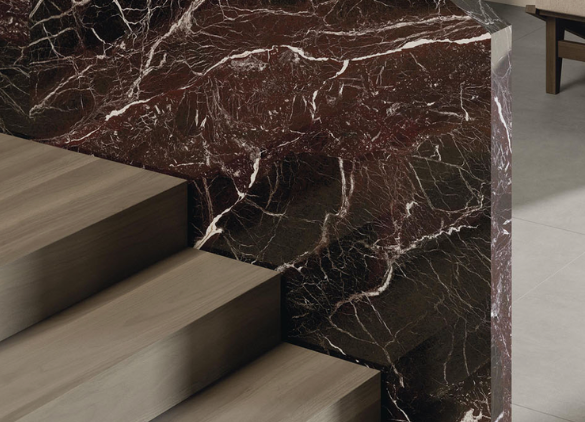
Porcelain slabs commonly come in 6 mm or 12 mm thicknesses, which limits the edge profiles that can be created compared with thicker materials. Square, flat, and waterfall or mitered edges are the practical options. Rounded or decorative profiles generally are not appropriate for standard porcelain slabs.
Choose the edge style early and confirm that the fabricator is comfortable producing it in the selected thickness.
Forgetting To Set a Complete Budget
The slab price represents one part of the project. Fabrication and installation also affect the final cost. Complex layouts may require additional labor. Waterfall panels or detailed edges can also increase material needs.
Porcelain projects may involve fabrication considerations that affect the overall budget, particularly when the design includes complex edges, multiple seams, cutouts, or large-format installations. Build the budget around the full project scope. Include delivery terms and fabrication details before making the final choice.
Questions To Ask Before Selecting a Slab
A few focused questions can make the selection process easier. Bring these questions to the showroom and fabricator meeting.
Does this porcelain slab suit the intended application?
What care products does the manufacturer approve?
Will the layout require seams?
Does the finish show fingerprints or water marks?
How many slabs does the project require?
Does the fabricator recommend a specific thickness?
Clear answers help narrow the options. Better information also supports stronger planning before purchase.
Make the Final Choice With Confidence
The best selection process combines style with practical planning. Full slab viewing, manufacturer guidance, and fabricator input can prevent common mistakes when choosing porcelain slabs.
Arista Stones offers a carefully selected range of natural and engineered stone slabs, including porcelain slabs. The selection supports kitchens and bathrooms as well as interior design projects.
Visit an Arista Stones showroom to explore the available porcelain slab selection. Experienced guidance can help identify a surface that fits the space and project needs.