What Is a Stone Bundle—and Why Should You Select Slabs From the Same Bundle?
If you have ever walked through a natural stone showroom, you may have heard someone ask about a bundle.
For fabricators and designers, the term is familiar.
For homeowners selecting stone for the first time, it may sound like industry language that doesn’t really matter.
It does.
Especially when your project requires more than one slab.
What Is a Natural Stone Bundle?
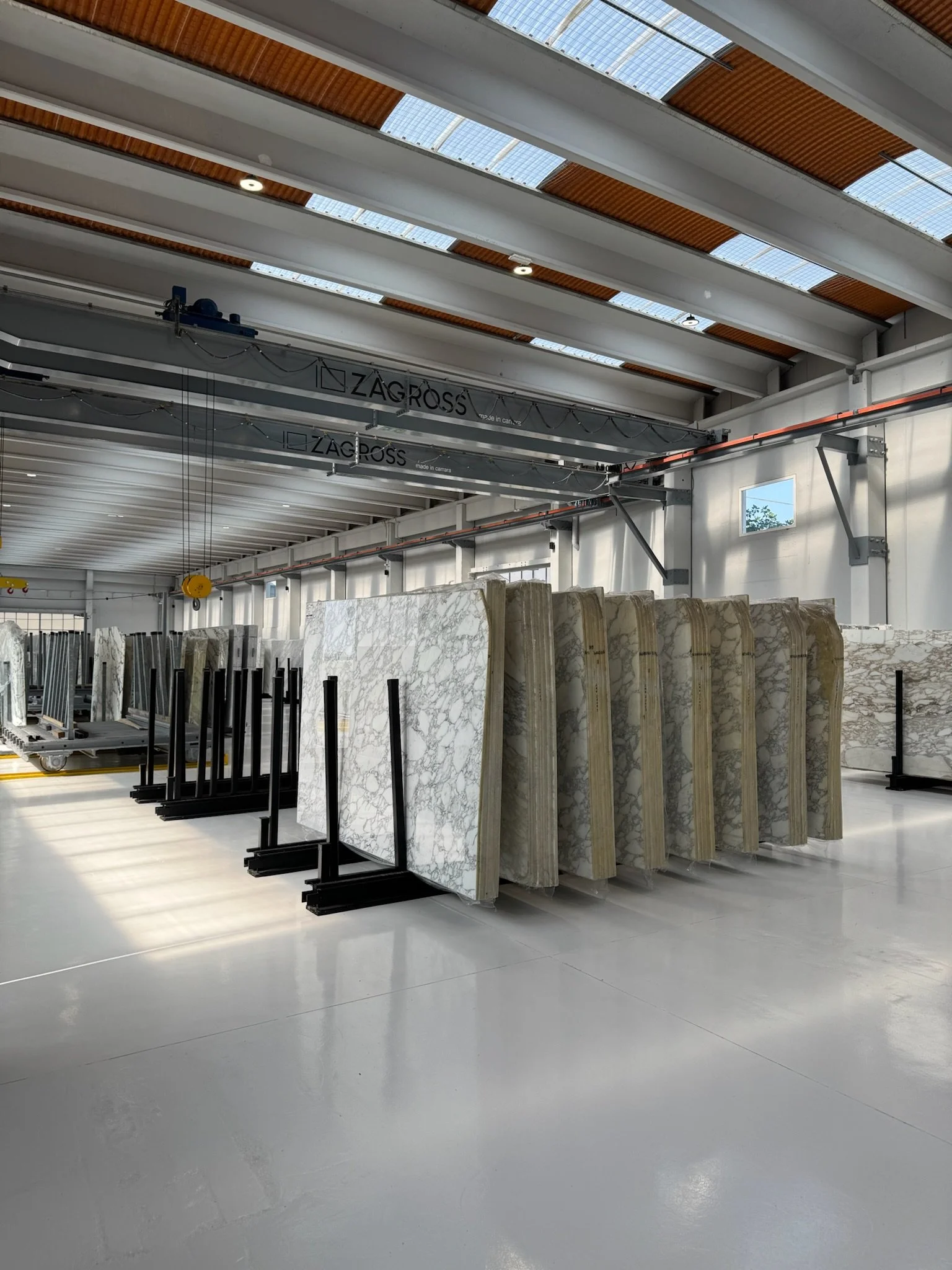
Natural stone begins as a large block removed from a quarry.
That block is then cut into individual slabs.
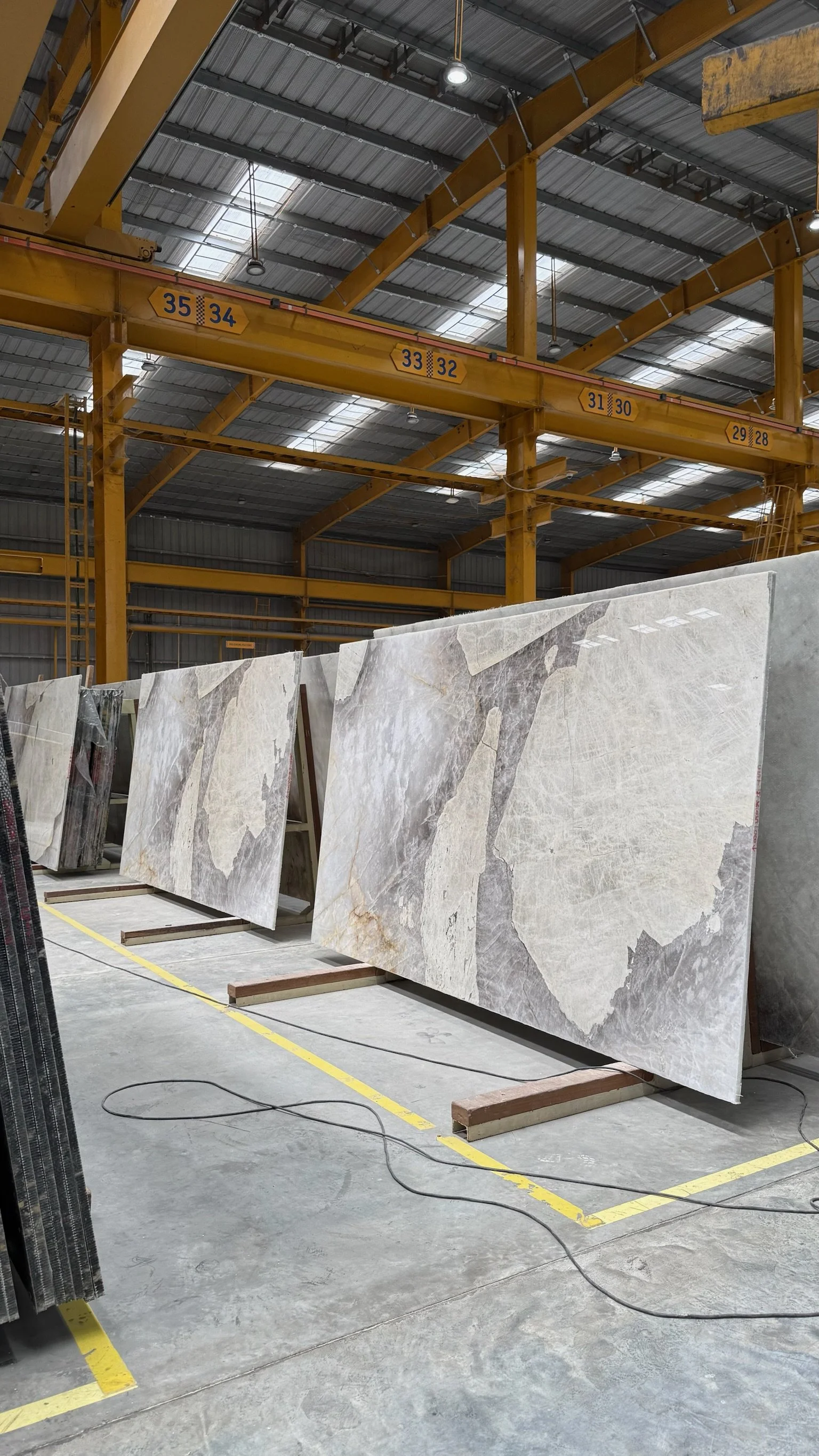
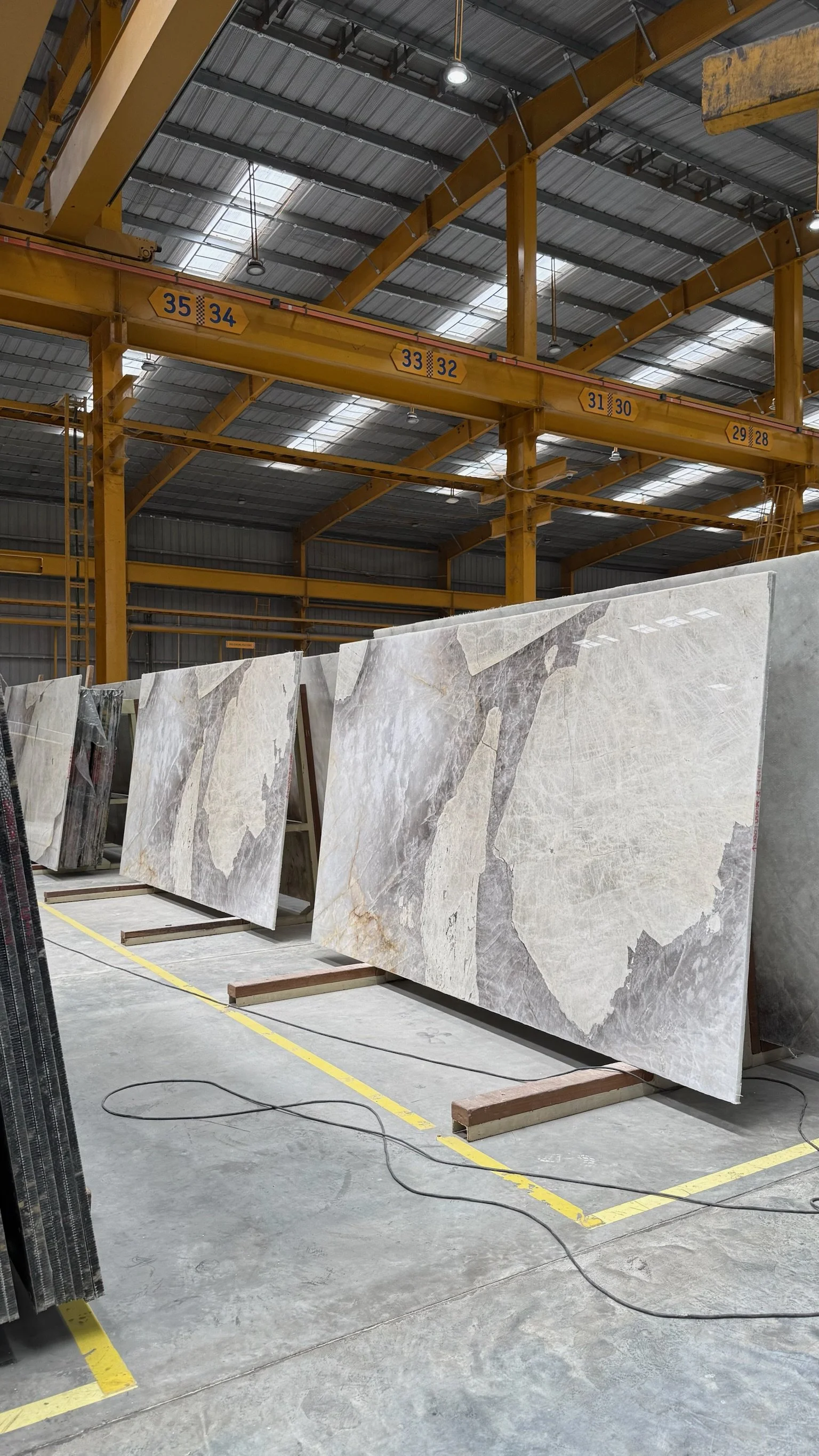
The slabs cut sequentially from the same block are typically grouped together as a bundle.
Think of them almost like slices from the same loaf.
Because they originated next to one another within the same block, sequential slabs often share similar:
Background color
Veining
Movement
Mineral deposits
Pattern direction
Overall tone
They will not be identical.
They are natural stone.
But they will generally coordinate more naturally than two slabs taken from completely different blocks.
Why Does the Stone Bundle Matter?
If your project requires only one slab, bundle coordination may not be a major consideration.
But larger projects often require multiple slabs.
Think:
Oversized islands
Perimeter countertops
Full-height backsplashes
Waterfall edges
Large fireplaces
Primary bathrooms
Multiple-room installations
When two or three slabs will be seen within the same space, the relationship between them becomes much more important.
Selecting from the same bundle gives your fabricator a more cohesive group of slabs to work with during layout.
Sequential Slabs Can Make Vein Matching Easier
Highly directional stone requires planning.
If a large vein runs through one slab, your fabricator may be able to continue or visually relate that movement across another surface using the neighboring slab.
This is particularly useful for:
Waterfall islands
Long countertop runs
Full-height backsplashes
Bookmatched features
Large wall installations
The goal is not always perfect vein continuation.
Sometimes the best design uses the slabs more organically.
But having sequential material gives the fabricator more options.
Can the Same Stone Look Different From Another Bundle?
Very different.
This surprises many first-time stone buyers.
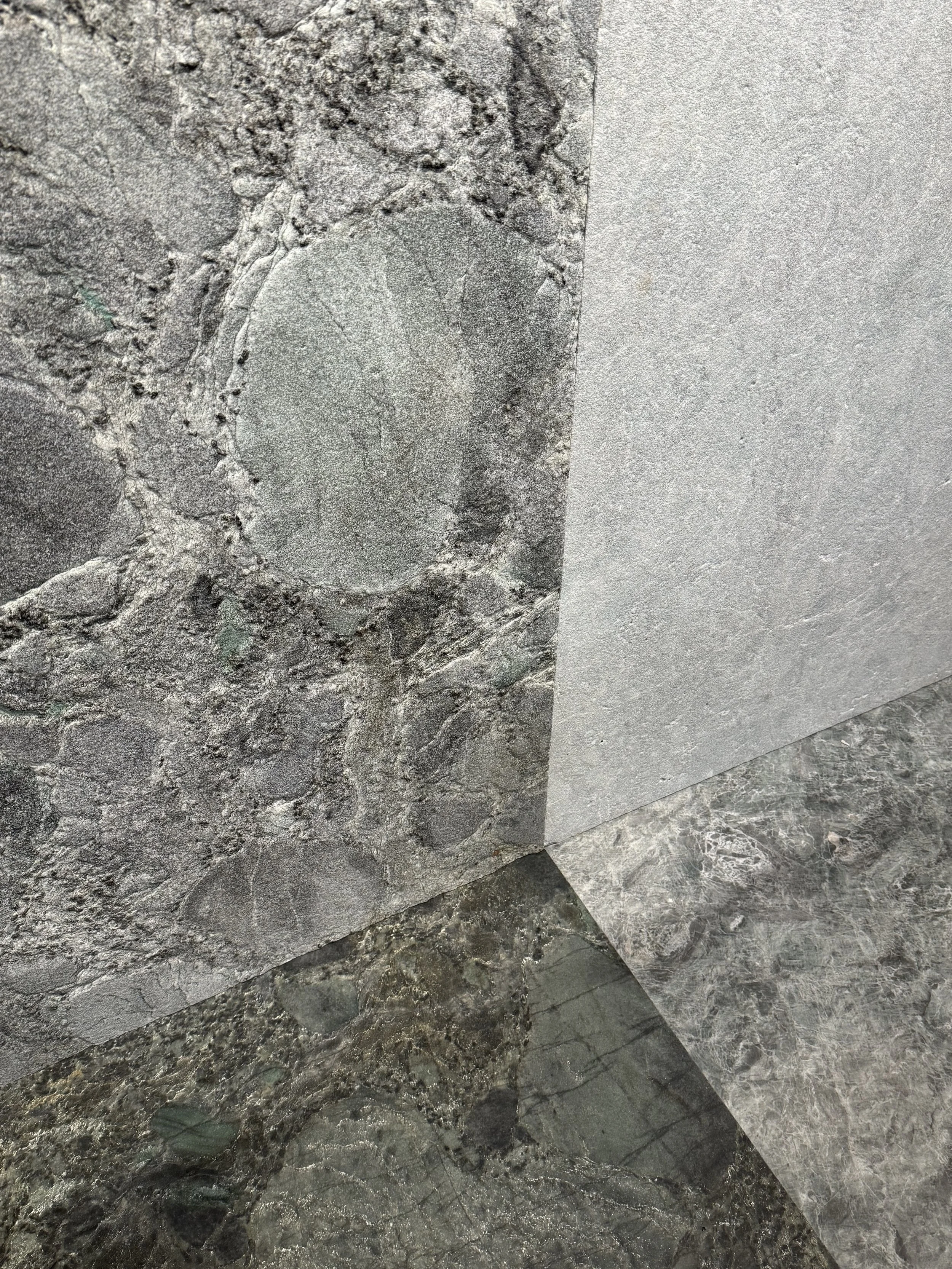
Two bundles can share the exact same commercial stone name while having noticeable differences in:
Background tone
Vein color
Pattern density
Mineral concentration
Movement
Overall character
One block of quartzite might have a soft cream background with sweeping gold movement.
Another block of that same material might lean grayer or contain much heavier patterning.
Neither is wrong.
They are simply different pieces of geology.
Why Should You Select All Your Slabs at the Same Time?
If you know your project requires three slabs, selecting one slab now and assuming you can come back later for two matching pieces can create problems.
Natural stone inventory moves.
Once sequential slabs from a bundle are purchased, they may not be available again.
Even if another shipment of the same material arrives, it may have been cut from a completely different block.
That means different movement.
Different coloration.
Different pattern.
Selecting the entire quantity your project needs at one time gives your fabricator the strongest starting point for planning the layout.
Should Every Project Use Sequential Slabs?
Whenever practical, it is generally preferable for projects where the slabs will be viewed together.
That does not mean slabs from separate bundles can never work.
They can.
A skilled designer or fabricator may intentionally mix material when the variation works with the project.
The important part is understanding the difference before the material is cut.
You want variation to be a design decision—not a surprise.
Your Fabricator Determines the Final Layout
Selecting the right slabs is only one piece of the process.
The fabricator is responsible for templating, cutting, seam placement, edge details, and the final layout.
For stones with strong movement, discuss the intended layout before fabrication begins.
Which area of the slab should become the island?
Which movement should appear on the backsplash?
Where should the seam fall?
Should the waterfall edge continue the vein?
Those conversations matter.
Natural Variation Is What Makes Stone Special
Choosing slabs from the same bundle is not about making natural stone look manufactured.
It is about giving the natural movement of the stone room to work.
Variation is part of the point.
It is why two slabs will never feel exactly the same.
It is why seeing your actual slabs matters.
And it is why full-slab selection is such an important part of the process.
Selecting More Than One Slab?
At Arista Stones, our team can help you identify sequential slabs, compare bundles, and understand how the material changes from one slab to the next.
If your project requires multiple pieces, come see the entire bundle before making your final selection.
Visit us in Tempe, Arizona or West Valley City, Utah and explore natural stone at full scale.