

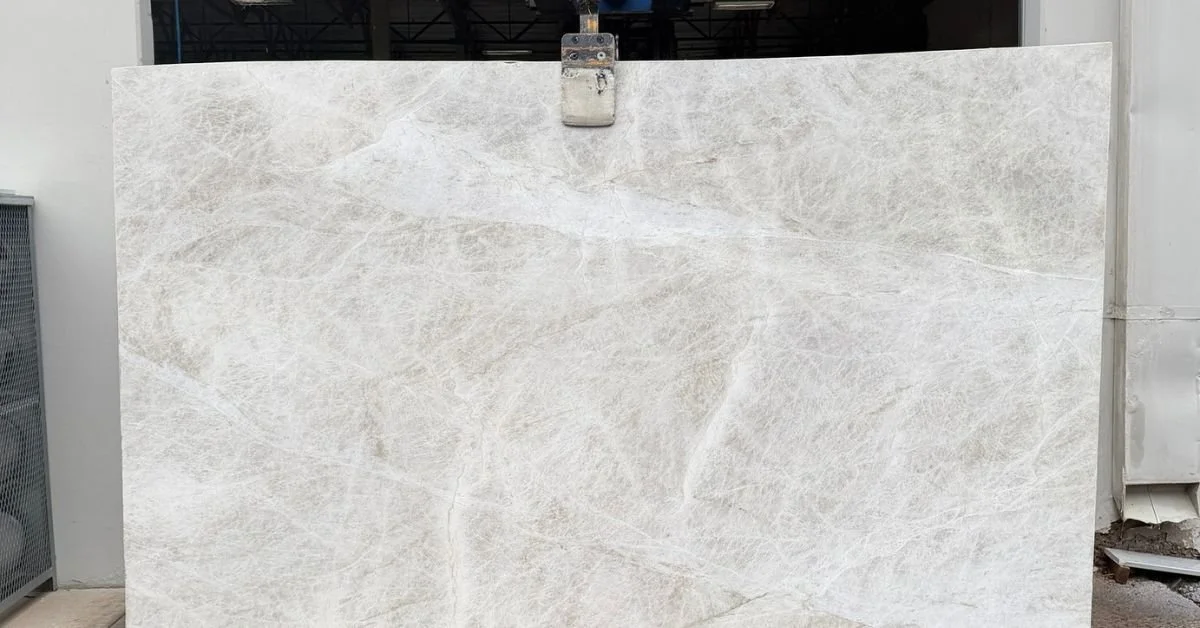
The Difference Between Quartzite and Quartz Explained
Quartzite and quartz share a similar name, but the materials come from different processes and behave differently in a home. Confusion grows online because the word “quartz” describes different topics, including a mineral, a countertop category, or a marketing shorthand.
Clear definitions and understanding the differences between quartzite and quartz make material selection easier for kitchens, baths, fireplace surrounds, and wall applications. Performance expectations should align with the material’s true makeup, not a label on a photo.
What Is Quartzite?
Quartzite is a natural stone that forms when quartz-rich sandstone undergoes heat and pressure, which recrystallizes the original sand grains into a dense, interlocking structure. Geologists classify quartzite as a non-foliated metamorphic rock made largely of quartz.
Because quartzite forms in nature, each slab carries variation in movement, veining, and color. Those variations can look dramatic or subtle, depending on the quarry and the minerals present alongside quartz.
What Is Quartz?
In the countertop market, “quartz” typically refers to an engineered surface made with quartz particles plus binders and pigments. Many manufacturers describe a common composition range around 90–95% quartz with the remainder made of resins and pigments.
That recipe supports consistency from slab to slab, which appeals to projects that need tight color matching. The same recipe also explains why quartz belongs in the category of engineered stone slabs rather than natural stone.
Why The Names Get Mixed Up
The mineral quartz exists in nature and shows up inside many stones, including quartzite. Engineered quartz also contains real quartz, so marketing often emphasizes “natural quartz” without clearly stating the presence of resins and pigments.
The similarity in names creates an easy assumption that quartzite and quartz come from the same source. What many buyers don’t realize is the differences in the two come from how they are manufactured. Material selection improves when the question shifts from “Which name sounds right?” to “Which composition fits the project?”
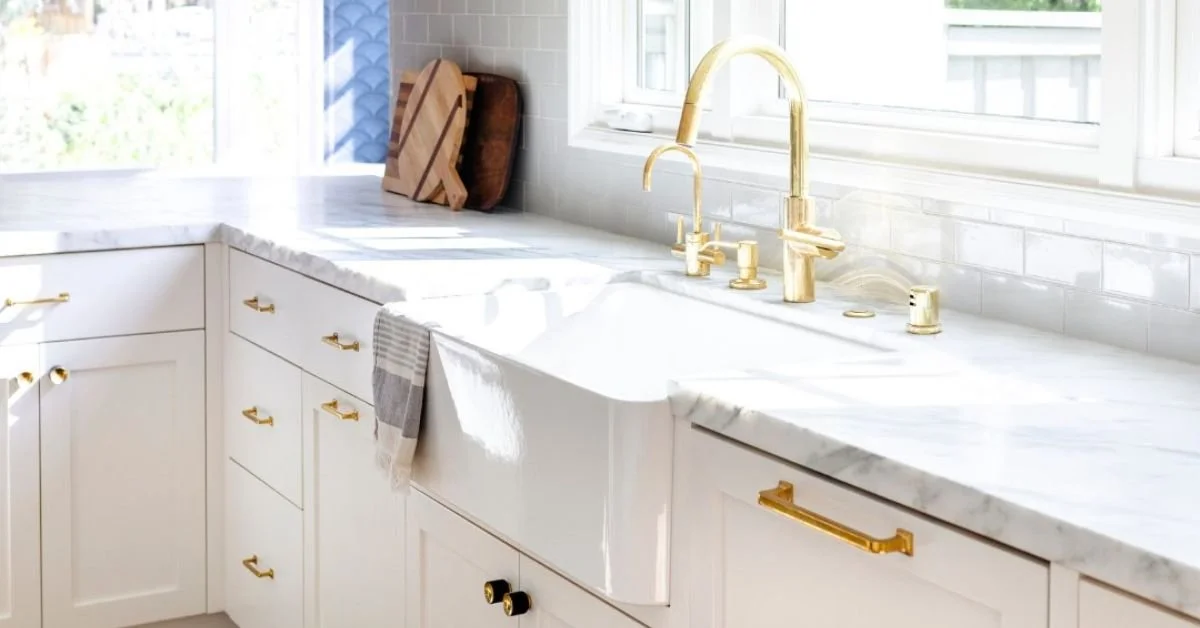
Look And Pattern: Natural Variation Vs Designed Consistency
Quartzite tends to show natural movement that can resemble marble while still offering the density expected from a quartz-rich stone. The exact look depends on quarry geology and the minerals that traveled with the original sandstone during metamorphism.
Quartz offers a controlled visual range because manufacturers manage particle size, pigment, and patterning during production. Many collections aim for uniformity across multiple slabs for large runs like full-height backsplashes or expansive islands.
Durability Basics: Scratch Resistance And Everyday Wear
True quartzite ranks high in hardness because quartz dominates its composition, and quartz rates 7 on the Mohs scale. That hardness supports strong scratch resistance in real-world use when the slab qualifies as true quartzite.
Engineered quartz also performs well against scratches because it contains a high percentage of quartz. The resin system can add toughness, but performance varies by brand, finish, and pattern style.
Heat And UV Differences
Quartzite generally handles heat well because it is a natural stone with no resin binder. Real-world performance still depends on installation details and the specific slab, but the base material does not rely on polymer resins.
Quartz contains resins, and those resins can limit tolerance to high heat compared with many natural stones. They can still handle many practical kitchen habits well, but their manufacturing makeup explains why many comparisons flag heat as a common quartz vulnerability.
Porosity And Sealing: What Maintenance Really Means
Quartzite can absorb liquids because it is a natural stone, so sealing often plays a role in stain resistance. Stone industry consumer guidance describes quartzite as strong and dense, yet still a natural material that benefits from correct selection and care.
Quartz is non-porous in typical residential terms because the resin binder fills voids between quartz particles. That structure usually eliminates the need for periodic sealing, which drives its “low-maintenance” reputation.
The Biggest Trap: “Soft Quartzite” And Mislabeling
A major source of misinformation comes from stones sold as quartzite that do not behave like quartzite. Multiple industry-facing explanations note that some slabs labeled “soft quartzite” contain calcium carbonate, which makes them more prone to etching and scratching like marble or dolomitic stones.
This mislabeling changes the entire care profile, especially in kitchens with acids, oils, and frequent cleaning. It’s important to closely examine stone claims and tags when working with any manufacturer to ensure you’re choosing the right stone for your project. A reliable slab seller like Arista Stones will provide you with all the assistance you need in clarifying your stone choice and choosing the right material for your project.
Still Confused?
If you’re still confused as to the differences between quartzite and quartz, browse our resources at Arista Stones today. A lot of misinformation exists online out there, but our team is here to provide plain answers. Visit our Tik Tok today for quick, digestible information on the latest in the stone manufacturing industry, or check out our video discussing quartz and quartzite in more depth.
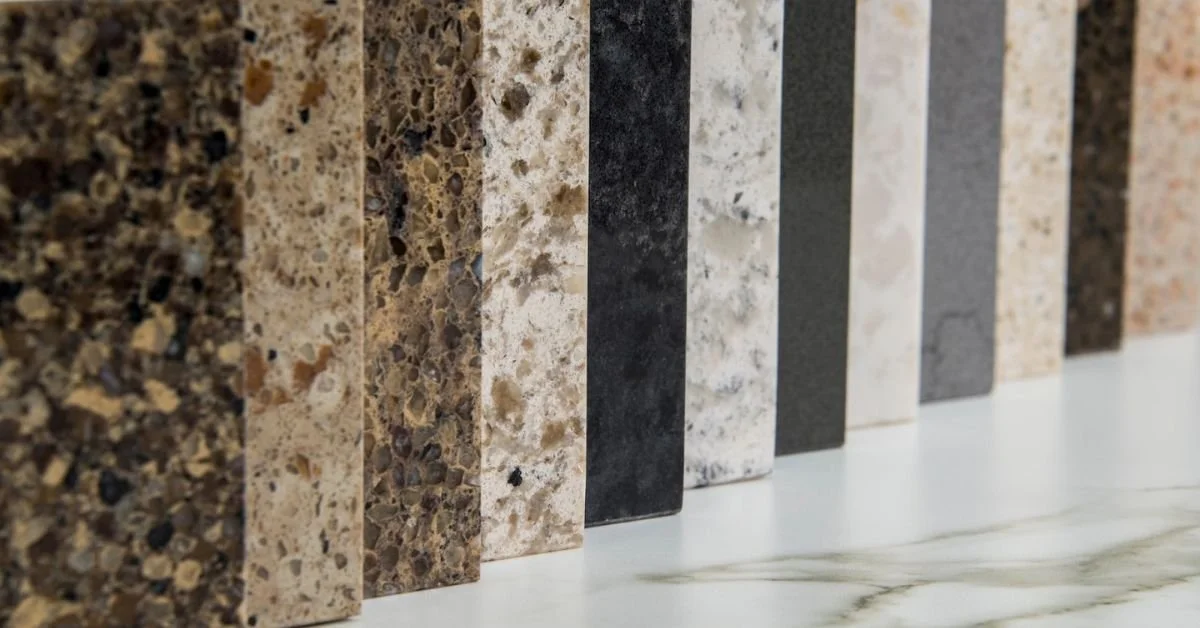
How To Evaluate The Right Material For A Project
Start with how the space gets used, since daily habits decide whether a surface feels effortless or stressful. A busy kitchen with constant prep, frequent spills, and lots of hot cookware often benefits from a surface that forgives small mistakes and cleans quickly.
Clarify the priority between uniqueness and consistency before looking at color. Quartzite delivers natural variation, which means no two slabs match perfectly and movement can shift across a layout. Quartz provides engineered consistency, which helps when a project needs multiple slabs that look the same across a large island, full-height backsplash, or repeated bathroom vanities.
Match the finish to lifestyle and lighting, since finish changes what shows on the surface. Polished surfaces can highlight reflections, fingerprints, and smudges under strong lighting, especially on darker colors. Honed or leathered finishes can mute glare and reduce the look of fingerprints, but they may change how easily certain spills get noticed and cleaned up.
Final Takeaways
Quartzite is a natural metamorphic stone formed from sandstone, while quartz countertops are engineered products made from quartz particles plus resins and pigments. Now that you know the differences between each type, you can get a better idea of which is the right choice for your project.
For sourcing help, material matching, and design-forward slab guidance, contact Arista Stones and request a curated shortlist of quartzite and quartz options, or visit our showrooms today.