

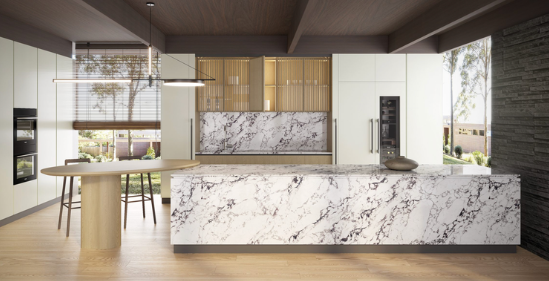
Choosing a surface for a kitchen or bathroom involves more than finding an attractive color. Material composition influences how a slab performs during everyday use and how it fits a design plan. When comparing quartz vs. porcelain slabs, homeowners and designers should consider heat exposure, maintenance expectations, appearance, and installation requirements. Both materials are types of engineered stone that offer appealing alternatives to natural stone, but their differences matter when planning a lasting interior.
Understanding Quartz Slabs
Quartz is a type of engineered stone made with mineral particles and binding resins. Manufacturers combine these ingredients to create slabs with controlled patterns and consistent coloring. The resin component gives the material characteristics that differ from those of natural stone and porcelain.
Quartz surfaces suit homeowners who appreciate predictable aesthetics. A designer can often coordinate countertops across multiple rooms without encountering dramatic variations between slabs. Some collections imitate marble veining, while others offer subtle patterns that complement contemporary cabinetry.
Although engineered quartz resists many everyday stains, it does not tolerate every condition. Prolonged contact with high heat can damage its resin binders. Homeowners should use trivets beneath hot cookware and follow the manufacturer's care recommendations.
What Makes Porcelain Slabs Different?
Porcelain slabs, another type of engineered stone, consist of refined mineral ingredients that manufacturers form and fire at high temperatures. This process creates a dense surface without the resin binders commonly found in engineered quartz. Large format porcelain products can cover expansive areas while maintaining a relatively slim profile.
Manufacturers offer porcelain with stone inspired patterns as well as understated solid colors. Some designs reproduce dramatic veining that extends across a broad surface. However, printed patterns may not continue through the slab's entire thickness, which affects how exposed edges appear.
Porcelain generally handles heat exposure better than resin bound quartz. That advantage can matter around cooking areas, although homeowners should still follow product guidance and protect surfaces from sudden temperature changes. Heat resistance does not mean a material cannot crack or suffer damage.
Comparing Appearance and Design Flexibility
Appearance often drives the initial decision between these surfaces. Engineered quartz typically offers consistent coloration and repeatable patterns, making it useful when a project requires visual continuity. Its finish and design options vary by manufacturer and collection.
Porcelain also provides visual variety. Its printing technology can create realistic stone effects, including expressive movement across large panels. Designers sometimes choose porcelain when they want a thin surface with a striking architectural presence.
Neither option automatically looks more luxurious. The surrounding cabinetry and lighting influence how each slab appears in a finished room. Viewing full slabs in person helps buyers evaluate pattern scale rather than relying on small samples.
How Durability Differs in Daily Use
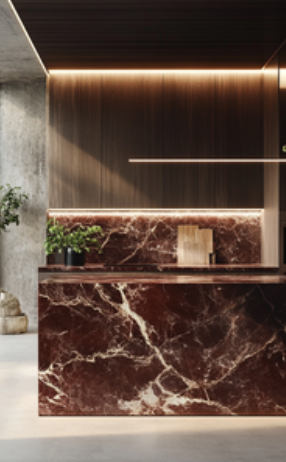
Both materials can perform well in busy homes when owners use them appropriately. Engineered quartz offers good resistance to routine scratches, but sharp objects can still leave marks. Cutting boards help preserve the finish and protect kitchen tools.
Porcelain has a hard surface that resists many scratches. Its edges, however, may chip when struck by a heavy object, particularly around exposed corners. Slab thickness and edge detailing can influence how vulnerable those areas become.
Quartz can also chip under impact, so homeowners should handle both surfaces with care. Discussing anticipated use with an experienced fabricator helps identify appropriate details for a particular space. Careful handling during transport and installation matters for both materials.
Maintenance and Stain Resistance
Homeowners often appreciate engineered quartz because its nonporous surface generally requires no routine sealing. Mild soap and water handle most everyday cleaning needs. Abrasive cleaners and harsh chemicals can affect some finishes, so manufacturer instructions should guide maintenance.
Porcelain also offers a low absorption surface and typically requires no sealing. Spills usually wipe away easily, making it practical for kitchens and bathrooms. Grout joints, when present in an installation, may require separate maintenance.
Both surfaces benefit from prompt cleanup. Certain substances can leave residue or affect the appearance of a finish even when the underlying material resists absorption. Simple cleaning habits support a polished appearance over time.
Heat, Sunlight, and Placement
Location can change which material makes the most sense. Engineered quartz works well in many indoor applications, but prolonged direct sunlight may cause discoloration in certain products. Manufacturers may restrict outdoor use because ultraviolet exposure and temperature changes can affect resin-based surfaces.
Many porcelain products tolerate ultraviolet exposure and changing temperatures better, making some suitable for outdoor applications. Still, outdoor suitability depends on the specific product and its installation system. Buyers should verify the manufacturer's recommendations before choosing a slab for an exterior kitchen.
Indoor placement deserves the same attention. A sunny room or cooking zone may present different demands than a bathroom vanity. Considering those conditions early can prevent disappointing material choices later.
Fabrication and Installation Considerations
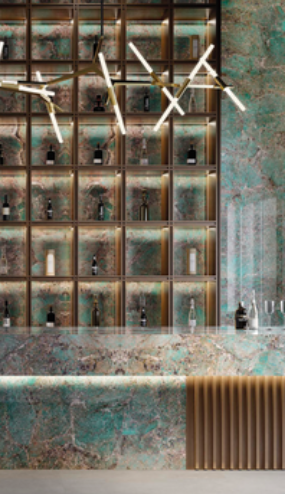
Fabrication requirements differ significantly between engineered quartz and porcelain. Quartz slabs generally allow fabricators to create a range of edge profiles, subject to thickness and manufacturer limitations. Their weight also requires suitable support and professional handling.
Porcelain's hardness and comparatively thin formats demand specialized cutting equipment and careful edge treatment. Certain profiles may require mitered construction rather than traditional shaping. Experienced fabricators understand how to manage openings and reduce the risk of breakage.
Neither material belongs in a do-it-yourself installation project. Professional fabrication and installation help protect the investment and ensure that the chosen design suits the material's physical characteristics. Buyers should discuss seam placement and support needs before finalizing their selection.
Budgeting Beyond the Slab Price
Material prices vary across collections and manufacturers. A premium quartz design may cost more than a basic porcelain option, while a specialized porcelain slab may carry a higher price than some quartz products. Comparing only the slab price can therefore misrepresent the total investment.
Fabrication complexity also affects project costs. Porcelain may require specialized tools or additional labor for intricate edges. Quartz projects can likewise become more expensive when layouts involve complicated cutouts or extensive seams.
Ask the fabricator for an itemized estimate based on the actual design. That conversation helps connect material preferences with a realistic budget before ordering slabs.
Choose Quality Man-Made Stone With Arista Stones
The right surface depends on the room's demands and the look you want to achieve. When comparing quartz vs. porcelain slabs, evaluate everyday use alongside the design possibilities of each material. Arista Stones offers high-quality man-made stone slabs, including quartz and porcelain selections, for homeowners and design professionals seeking dependable options. Our knowledgeable team can help you review available materials and choose slabs that fit your project. Visit an Arista Stones showroom to see the selection firsthand.