

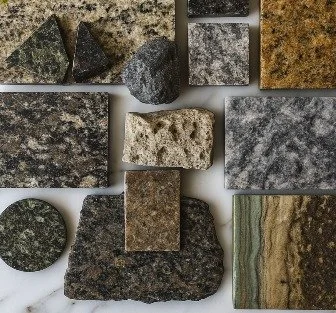
Granite brings natural character to kitchens and other interior spaces, but its finish changes how a slab looks and feels every day. When comparing leathered vs. polished granite slabs, homeowners and designers should consider more than appearance. Light reflection, surface texture, cleaning habits, and the stone’s natural pattern all influence the experience. Understanding these differences helps you choose a finish that suits your space without compromising the qualities that make granite appealing.
What Makes Granite Finishes Different?
Granite forms naturally, giving each slab its own mineral composition and visual movement. Finishing techniques alter the stone’s outer surface rather than changing the material itself. A polished finish creates a smooth, reflective face, while a leathered finish introduces subtle texture and a softer appearance. Both options retain granite’s underlying durability, although the exact performance depends on the particular stone and its treatment.
The finish also affects how people perceive color. Polishing often emphasizes contrast and depth, making individual minerals stand out. Leathering can soften reflections and lend the surface a more understated character.
How Polished Granite Gets Its Shine
Stone processors create polished granite by grinding and refining the slab surface with progressively finer abrasives. The process produces a glossy finish that reflects nearby light. On darker varieties, this shine can reveal rich color and dramatic mineral patterns. Lighter granite can gain a crisp appearance that complements bright interiors.
Polished surfaces feel smooth under the hand. Their reflective quality can also make a countertop appear visually prominent, especially beneath pendant lights or near large windows. However, strong reflections may draw attention to fingerprints, water spots, or streaks.
What Defines a Leathered Granite Finish?
Leathered granite features a gently textured surface with relatively little shine. Processors typically use specialized brushes to work across the stone, creating a tactile finish that follows differences in its mineral structure. Some slabs develop noticeable contours, while others feel only slightly textured.
The muted surface can make natural variation feel relaxed rather than dramatic. It often works well where designers want stone to contribute depth without dominating the room. Leathered granite still offers visual interest, particularly when directional lighting reveals its texture.
Comparing Appearance in Different Lighting
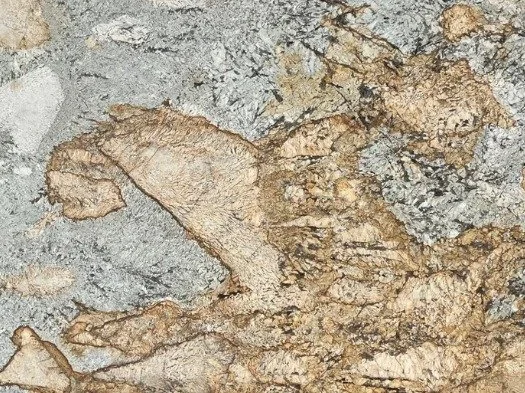
Lighting often reveals the biggest difference between these finishes. Polished granite reflects overhead fixtures and daylight, producing highlights that shift as you move through a room.
Leathered granite scatters reflections, creating a quieter appearance. Under angled light, its contours may become more apparent and give the slab added dimension. A sample viewed beneath showroom lighting might look different beside your kitchen cabinets. Ask to see full slabs whenever possible and consider samples in the intended space before deciding.
Which Finish Hides Everyday Marks Better?
For busy households, the visibility of everyday marks deserves attention. Polished granite may show fingerprints and dried water droplets more readily, particularly on dark, uniform colors. Its smooth face usually makes wiping away ordinary spills straightforward when you use an appropriate cleaner.
Leathered granite often disguises fingerprints and minor smudges because its surface reflects less light. Yet its textured areas can hold crumbs or residue that require more deliberate cleaning. Choose based on how you use the countertop rather than assuming either finish stays spotless.
Cleaning and Sealing Considerations
Both finishes benefit from consistent care. Wipe spills promptly with a soft cloth and use a stone-appropriate cleaner according to product guidance. Avoid abrasive cleaning tools and harsh chemicals that could affect the surface or its protective treatment.
Granite’s absorption characteristics vary by stone, and finishing can influence how the surface responds to liquids. Do not assume polished granite never needs sealing or that leathered granite always requires it. Ask your stone professional about the specific slab and follow the sealer manufacturer’s recommendations. Qualified fabricators can evaluate sealing needs and handle any necessary treatment.
Durability and Practical Performance
Granite generally resists everyday wear well, but its finish does not make it immune to damage. Heavy impacts can chip edges, and abrasive materials may affect the surface over time. Polished areas can lose some shine through inappropriate cleaning or repeated abrasion. Leathered textures may conceal certain minor signs of wear, although they cannot prevent damage.
Heat resistance also comes from the granite itself rather than its finish. Even so, trivets offer a sensible precaution against sudden temperature changes and potential effects on sealers. Use cutting boards to protect both your knives and the countertop.
Choosing a Finish for Kitchen Design
Polished granite suits kitchens where reflective surfaces support the overall design. It can complement streamlined cabinetry and make richly patterned slabs a focal point. In rooms with strong natural light, examine potential glare before committing to a large installation.
Leathered granite often pairs comfortably with warm wood cabinetry and matte hardware. Its subtle texture can soften an otherwise sleek kitchen without sacrificing the presence of natural stone. Designers may also favor it for islands where people gather and frequently touch the surface.
Bathrooms and Other Interior Applications
Granite finishes can influence bathroom vanities and decorative surfaces just as strongly as kitchen countertops. Polished granite brings a refined shine to vanity tops, particularly when paired with simple fixtures. Leathered granite introduces a tactile element that can make a bathroom feel more grounded.
For wet areas, discuss the intended application with a qualified professional. A leathered texture does not automatically make granite slip resistant, and finish alone cannot establish suitability for flooring or shower surfaces. The slab’s properties and installation details should guide those decisions.
Why Viewing the Actual Slab Matters
Small samples help narrow your preferences, but they cannot fully represent a natural granite slab. Veining, mineral distribution, and color shifts may change across its surface. Leathering can emphasize some areas differently, while polishing may bring unexpected depth to others.
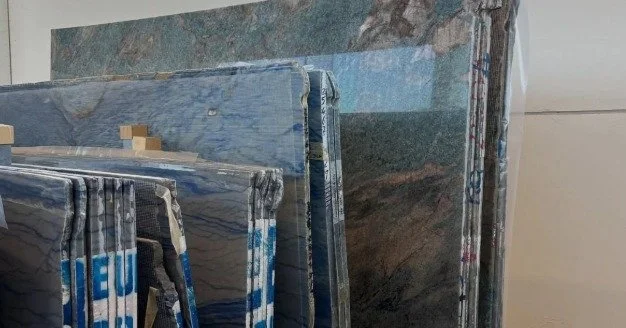
Visit a slab supplier to compare available finishes in person. Ask which finishes are currently available for the granite colors you like, since every variety may not offer both options. Look across the surface from different angles and touch the material to understand its texture. If your project includes multiple slabs, discuss how their patterns may relate to one another.
Find the Right Granite Finish With Arista Stones
Ultimately, comparing leathered vs. polished granite slabs means balancing the visual effect you prefer with the care your household can comfortably maintain. Polished granite offers pronounced reflection, while leathered granite brings a quieter tactile quality. Arista Stones supplies high-quality granite stone slabs through a carefully curated selection informed by years of industry experience. Visit Arista Stones to view available slabs and find a natural stone surface that complements your project.