How Large-Format Stone Slabs Elevate Modern Interiors
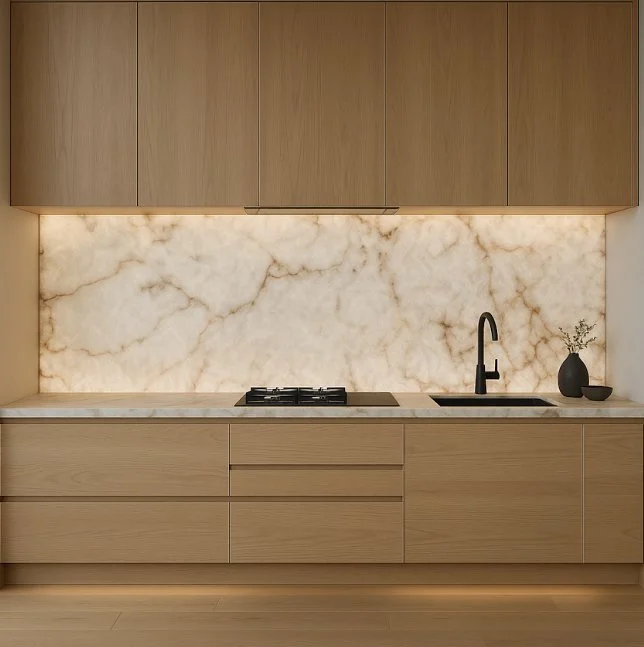
Modern interiors often depend on restraint, proportion, and materials that carry visual weight without creating unnecessary clutter. That is how large-format stone slabs elevate modern interiors: they create broad, continuous surfaces that let the character of the stone become part of the architecture itself. Whether used on a kitchen island, a full-height backsplash, a bathroom wall, or another prominent surface, larger slabs can make a room feel more intentional and visually connected. The appeal comes from balancing dramatic scale with the natural movement, color, and individuality found in stone.
Larger Surfaces Create a More Continuous Look
One of the strongest advantages of large-format slabs is their ability to cover substantial areas with fewer visual interruptions. In a modern room, that continuity matters because the eye can move across the surface without repeatedly stopping at joints or transitions. The result often feels calmer and more architectural. Instead of breaking the material into smaller sections, a larger format gives the stone room to make a clear statement.
This effect can be especially powerful on expansive kitchen islands or long countertops. A broad surface allows the material to establish the visual direction of the room. When the surrounding cabinetry and fixtures stay relatively restrained, the stone can become a natural focal point. The design feels elevated because the surface looks considered rather than overly decorated. This broader visual field can help adjacent materials feel quieter, allowing cabinetry, metalwork, and lighting to support the stone without distraction.
Natural Movement Becomes Part of the Design
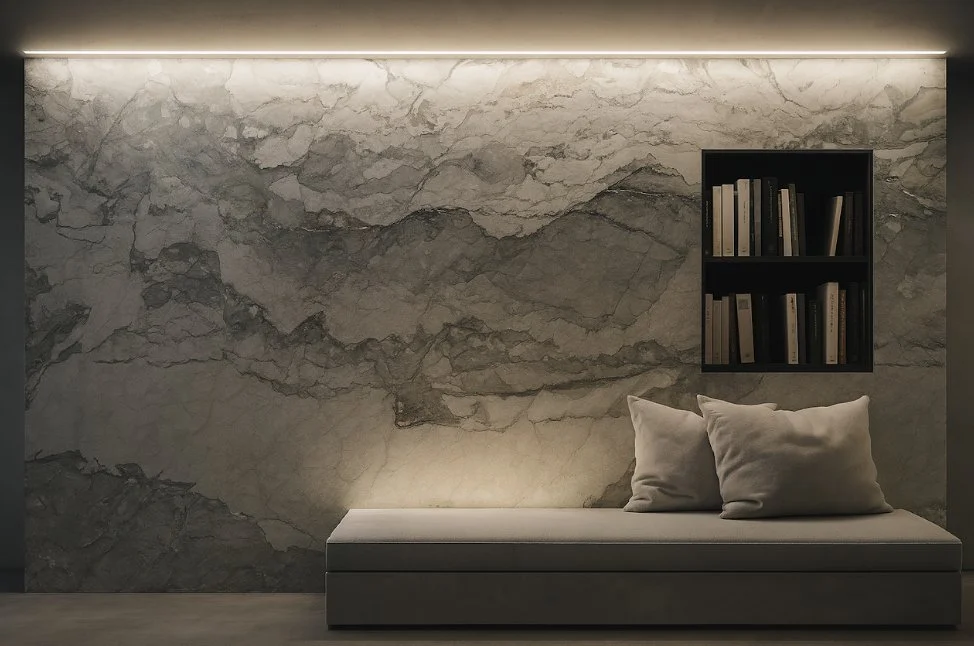
Stone has visual character that you cannot reduce to color alone. Veining, mineral variation, and shifts in tone give each slab its own presence, and a larger surface provides more space for those features to appear. Designers can use that movement as an important part of the overall composition. Rather than adding ornament through separate decorative elements, the material itself contributes depth.
Marble is a clear example of why scale can matter. A larger marble slab can showcase sweeping veins across a wall or countertop. Quartzite and granite can also offer compelling patterns that benefit from generous dimensions. The right choice depends on the project, the available slab, and the visual relationship between the stone and nearby finishes.
Fewer Seams Support Modern Simplicity
Modern design often favors surfaces that look uninterrupted. Large-format slabs can support that goal because a fabricator may be able to plan a project with fewer seams, depending on the dimensions and layout. Fewer seams can help the finished surface read as one strong plane rather than a collection of smaller pieces.
Seam placement still requires professional planning. Room dimensions, slab size, access conditions, and fabrication requirements affect what is possible. A qualified fabricator can evaluate those practical details and determine an appropriate layout for the selected material.
[IMAGE A]
Large Slabs Can Strengthen Architectural Features
A large-format slab does more than cover a surface. In the right application, it can emphasize the shape and scale of an architectural feature. A waterfall island, for example, can use stone across the horizontal surface and down the side to create a stronger visual connection. Full-height wall applications can have a similar effect by turning a functional surface into a defining element of the room.
This approach works best when the stone has a clear purpose within the design. Using a dramatic slab everywhere can compete with the quiet character that many modern interiors aim to achieve. Instead, designers often benefit from choosing a primary location where the material can command attention. Other finishes can then support that feature without fighting for focus.
Scale Can Make Rooms Feel More Intentional
Large-format materials can influence how people perceive proportion. A substantial slab can visually anchor a spacious kitchen, while a carefully selected wall application can add a sense of height or breadth. The effect does not come from size alone. It comes from matching the scale of the material to the architecture and giving the stone enough surrounding space to be appreciated.
In smaller rooms, thoughtful use matters even more. A large slab does not automatically overwhelm a compact interior. When the pattern, tone, and placement suit the room, a continuous stone surface may reduce visual fragmentation. The key is selecting material with the overall design in mind rather than assuming that a larger format always requires a larger home.
Slab Selection Matters at This Scale
Choosing large-format stone is a visual decision that benefits from seeing the actual slab whenever possible. Small samples can suggest color and general character, but they cannot fully communicate movement across a broad surface. Viewing the slab allows homeowners, designers, and fabricators to consider how veining or variation may appear within the planned application. It also helps the project team discuss orientation before fabrication begins.
This is where an experienced stone supplier can provide valuable guidance. Arista Quartz and Natural Stone is a family-owned wholesale supplier with decades of industry experience, and we curate premium natural and engineered stone slabs. Our team helps customers through slab selection while leaving cutting, sealing, and installation to professional fabricators. That distinction keeps the focus on choosing material that fits the design vision.
Large-Format Stone Works Beyond the Kitchen
Kitchens may be a natural setting for large slabs, but modern interiors offer other opportunities. Bathroom walls can gain a more continuous appearance when broad stone surfaces replace a busier field of smaller materials. Fireplace surrounds can also benefit from the scale of a slab, particularly when the stone pattern complements the proportions of the room. Each application should account for material suitability and professional fabrication requirements.
Designers can also use large slabs to create visual relationships between separate areas of a home. Repeating the same stone in carefully chosen locations can establish continuity without making every room identical. The goal is not repetition for its own sake. It is a measured use of material that helps the interior feel connected.
Bring Modern Interiors to Life With Marble Slabs
Understanding how large-format stone slabs elevate modern interiors starts with recognizing what scale can do for a material. It gives natural movement more presence while supporting cleaner, more continuous surfaces. The best results come from thoughtful slab selection and a layout that respects the architecture.
Arista Quartz and Natural Stone offers a variety of luxury stone options, including marble stone slabs, for homeowners and design professionals seeking a refined natural surface for modern projects. With an experienced team focused on curated slab selection, we can help you find the stone that complements the character and direction of your space.