

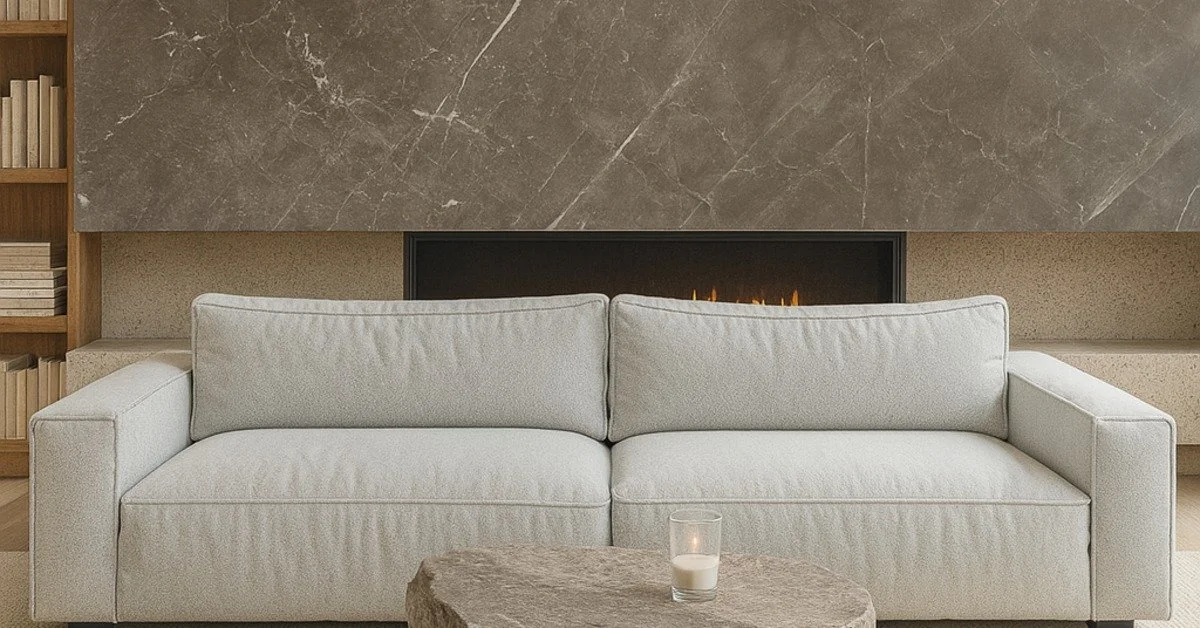
10 Fireplace Design Ideas Using Natural Marble Slabs
Natural marble slabs can turn a fireplace into a strong architectural feature. Marble adds color and movement without extra ornament.
A successful marble fireplace starts with the right slab. Color and veining both shape the final design.
Arista Stones supplies premium natural and engineered stone slabs for homeowners and design professionals. Keep reading for more information on choosing marble slabs for fireplaces and some design ideas to get you started.
Why Marble Works Well For Fireplaces
Marble has long served as a favorite material for interior architecture. Natural veining gives each slab a distinct look. Marble is also a popular design element for fireplaces because it is easily visible as a highlight of a room.
A fireplace surround usually receives less wear than a kitchen counter. That makes marble a strong choice for a feature surface.
Marble Coloring
White marble can brighten a room. Gray marble can add depth without overpowering the space. Darker marble creates a dramatic focal point. Cream and beige marble can soften rooms with warm wood or neutral paint.
Start With The Main Fireplace Style
The best design begins with the role of the fireplace. Some fireplaces should blend with the room while others should lead the design.
A full-height marble fireplace creates a strong vertical statement. This design works well in open rooms or spaces with tall ceilings. A low marble surround feels more traditional. This option works well when the room has detailed millwork or art.
A flush slab surround can support a modern design. Clean edges keep attention on the stone and firebox.
Finally, a mantel design adds dimension. Marble can frame the firebox while wood or metal forms the mantel.
Use Full-Height Marble Slabs
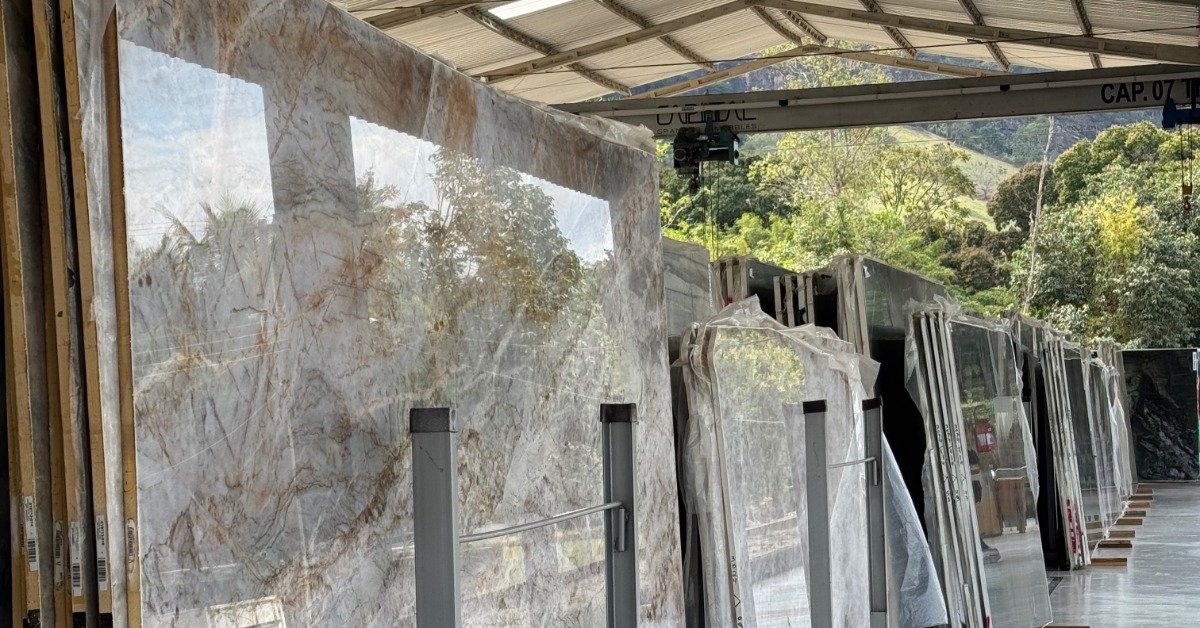
A full-height slab fireplace extends from the floor toward the ceiling. This approach makes the fireplace feel built into the architecture. Using large slabs can reduce visible seams, which helps the veining read as one continuous surface.
Linear fireplaces pair well with full-height marble. The long firebox can balance vertical veining and slab scale. Slab layout matters before fabrication begins, as veining placement can change the entire look of the finished wall.
Create A Classic Marble Surround
A classic marble surround frames the firebox. Many designs also include a hearth below the opening. Classic marble colors feature several options:
White marble remains popular for traditional fireplaces. The light surface reflects light and keeps the room feeling open.
Gray marble gives a classic surround more contrast. The tone can work with painted trim and wood flooring.
Warm marble can support softer interiors. Beige and cream tones often pair well with brass lighting and natural wood.
Simple profiles usually age well. Heavy detail can compete with natural veining and reduce the impact of the slab.
Choose A Modern Marble Fireplace
Modern fireplace design often depends on scale and restraint. A flush surround can create a sleek wall feature. The firebox sits inside the marble for a clean appearance.
Dark marble can create a strong modern look. Black or deep green marble works well with simple furniture and focused lighting. Light marble can also feel modern, while large slabs and minimal seams create a calm surface.
Finish also changes the mood of the feature and surrounding room. Honed marble feels softer while polished marble adds reflection.
Add A Marble Hearth Or Mantel
The hearth affects function and style. Marble creates a finished base that supports the overall fireplace design.
A raised hearth adds visual weight and can also create an informal seating edge. A flush hearth keeps the fireplace minimal. This option suits modern rooms or smaller spaces.
Mantels need careful material planning. Some projects pair marble with a wood mantel for warmth. Other projects use marble for both surround and mantel. This approach creates a unified focal point.
Select Color And Veining With Care
Color sets the mood of the fireplace. White and light gray marble often feel bright and classic. Cream marble can add warmth, while beige marble can support rooms with natural textures. Finally, dark marble adds contrast. This choice can ground a large room or formal living space.
Veining should match the design goal. Soft veining creates a quieter look while bold veining creates movement. High-quality marble and veining gives a project stronger visual control. Better slab selection can improve pattern placement.

Plan With the Right Professionals
A marble fireplace requires coordination between the slab supplier and fabricator. Arista Stones supplies hand-picked marble slabs and helps guide selection for unique products.
Professional fabrication and installation matter for safety and appearance. A fabricator can confirm seams and edge details, and an installer can confirm site conditions and clearance needs.
Natural marble often needs sealing before or during installation. Homeowners should always ask a fabricator about sealing recommendations, especially around high-traffic areas like a fireplace.
Important planning points include:
Review the full slab before purchase
Confirm fireplace clearance needs
Choose veining direction early
Ask about seam placement
Discuss sealing with the fabricator
Avoid DIY installation
These steps reduce surprises. Careful planning also helps the finished fireplace match the design intent.
Pair Marble With Other Materials
Marble works with many surrounding materials. Wood cabinetry can add warmth beside marble. Metal accents can support a modern or transitional look. Brass or black steel can both work with the right slab.
Tile can appear nearby when the pattern stays quiet. Simple floor tile can support the fireplace without competing. Paint color also matters. Soft wall color can highlight marble while deep paint can add contrast.
Match The Fireplace To The Room
Living rooms often support larger fireplace designs. A full-height slab wall can give the room a clear focal point. Bedrooms usually benefit from softer designs. A simple marble surround can add warmth without taking over the room.
Dining rooms can handle more dramatic marble. Bold veining can add formality and interest. Great rooms need scale. Large slabs and strong veining can help the fireplace match the space.
Understand Marble Care Expectations
Marble develops character with use. Note that small surface changes can appear as natural stone ages. Patina is a natural part of stone surfaces.
Fireplace marble faces less daily contact than countertops, but regular cleaning still matters. Just remember to avoid acidic cleaners, as harsh scrubbing can damage the finish.
Dust and soot should not remain on the surface. Stone-safe cleaning supports long-term appearance. Always ask your stone fabricator for maintenance and sealing requirements before installation to make sure your slab suits maintenance ability.
Visit Arista Stones For Marble Slab Selection
Planning these natural marble fireplace design ideas starts with seeing the slab in person. In-person selection helps homeowners judge color and veining.
Arista Stones offers curated natural and engineered stone slabs for elevated home projects. Our team helps homeowners compare options before fabrication begins.
Visit an Arista Stones showroom to explore marble slabs for a fireplace design. Contact Arista Stones to begin selecting a natural marble slab for a future home project.