

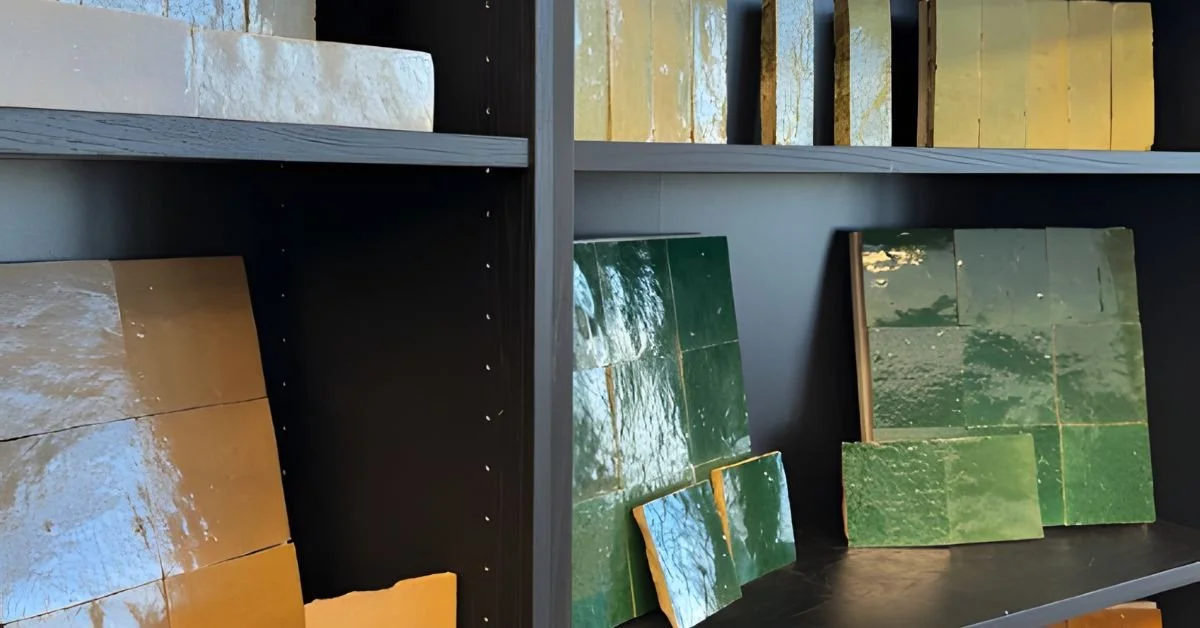
The Difference Between Natural and Engineered Stone Slabs
When selecting a material for countertops, mantles, flooring, or other surfaces, the choice often comes down to natural stone versus engineered stone. Both offer durable and attractive options, but they have distinct differences in their composition, appearance, and performance. Understanding these variations is essential to making an informed decision that aligns with your design goals and lifestyle needs.
Professionals extract natural stone materials directly from the earth, showcasing the unique patterns and colors created by geological processes over millions of years. Each piece is one-of-a-kind. In contrast, engineered stone is a man-made product created by combining crushed stone with resins and pigments, resulting in a consistent and customizable material. This guide will explore the key characteristics of both to help you determine the best fit for your project.
What Is Natural Stone?
Natural stone is a product of the earth, formed through various geological processes. Manufacturers cut slabs from large blocks of rock extracted from quarries around the world. The type of rock determines its appearance and properties.
Formation and Types
Common types of natural stone include granite, marble, quartzite, and soapstone. Granite is an igneous rock known for its hardness and crystalline structure. Marble is a metamorphic rock, formed from limestone under heat and pressure, which gives it its characteristic veining.
Pros of Natural Stone
The primary advantage of natural stone is its unique beauty. Since no two slabs are identical, each installation has a distinct character that cannot be replicated. Many types of natural stone, such as granite and quartzite, are also exceptionally durable and resistant to scratches.
Cons of Natural Stone
One drawback of natural stone is its porosity. Stones like marble are susceptible to staining and etching if you don’t properly seal and maintain them. Regular sealing is often required to protect the surface from liquids and damage.
What Is Engineered Stone?
Engineered stone, also known as man-made stone, is a composite material manufactured to mimic the appearance of natural stone while offering enhanced performance characteristics. It is a popular choice for its consistency and durability in high-traffic areas.
Composition and Manufacturing
Engineered stone is typically composed of about 90-95% crushed quartz crystals, one of the hardest natural minerals. These quartz particles are mixed with a polymer resin binder and pigments to create a wide range of colors and patterns. The mixture is then poured into a mold, compacted under vacuum, and heated to cure into a solid, non-porous slab.
Pros of Engineered Stone
Engineered stone offers remarkable consistency in color and pattern, which makes it easier to match slabs and create a uniform look across large surfaces. Its non-porous nature makes it highly resistant to staining without the need for sealing. The manufacturing process also allows for a vast array of design options, including colors you can’t find in nature.
Cons of Engineered Stone
While highly durable, engineered stone is not as heat-resistant as some natural stones like granite. Placing hot pots and pans directly on the surface can cause discoloration or damage to the resin. Additionally, some people find its uniform appearance less appealing than the unique variations of natural stone.
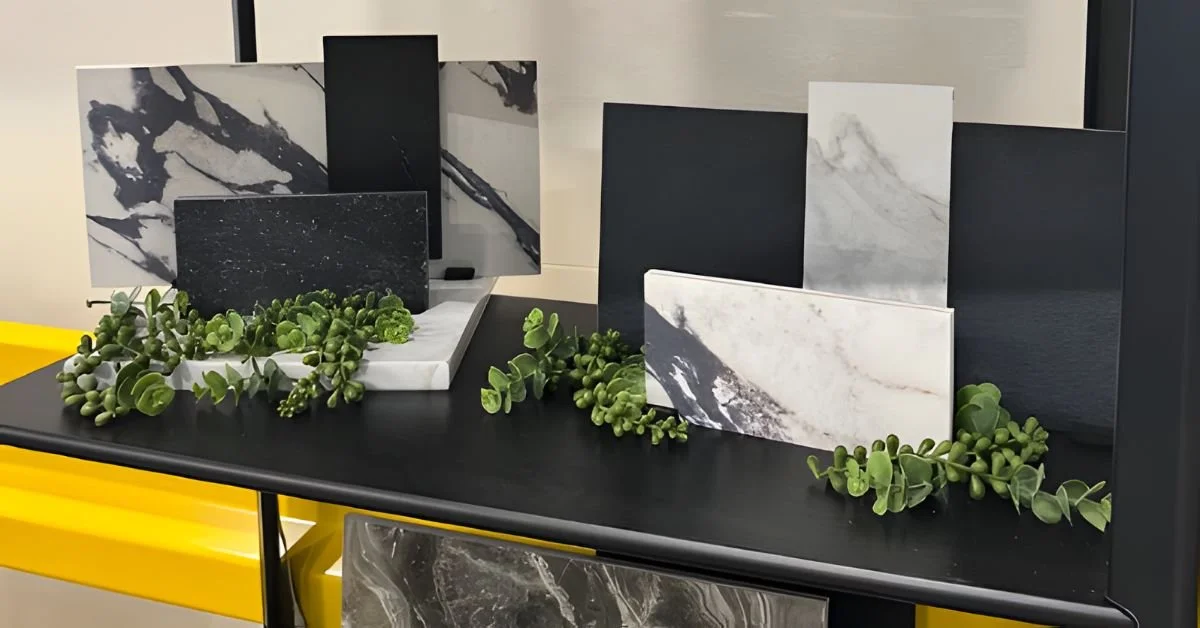
Natural Stone vs. Engineered Stone: A Comparison
Choosing between natural and engineered stone involves weighing several factors. Your budget, maintenance preferences, and aesthetic tastes will all play a role in determining the right material for your home.
Cost
The cost of both natural and engineered stone can vary widely depending on the specific type, rarity, and origin. Generally, common varieties of granite may be more affordable than high-end engineered quartz. Conversely, rare marbles and quartzites can be significantly more expensive than many engineered options.
Maintenance
Engineered stone is the clear winner when it comes to low maintenance. Its non-porous surface resists stains from wine, coffee, and oil, and it doesn’t require sealing. Natural stone, particularly porous varieties like marble, requires regular sealing to prevent staining, and you should only clean it with pH-neutral products.
Appearance
Appearance is a matter of personal preference. Natural stone offers unparalleled uniqueness, with intricate veining and patterns that tell a geological story. Engineered stone provides a consistent and uniform look that is ideal for modern and minimalist designs, with a wide spectrum of available colors.
Environmental Impact
The environmental impact of both materials is complex. Natural stone is a finite resource, and quarrying can have significant environmental effects. However, it is a natural product that does not involve manufacturing chemicals.
Engineered stone production is energy-intensive and uses petroleum-based resins. However, many manufacturers are adopting more sustainable practices, such as using recycled materials and water.
Applications for Each
The ideal application for each stone type depends on its properties. Natural stone like granite is excellent for kitchen countertops due to its heat resistance. Marble, with its elegant appearance, is often chosen for bathroom vanities, flooring, and fireplace surrounds where it is less exposed to acidic substances.
Engineered stone is a versatile choice for kitchen countertops, especially for busy families, due to its stain resistance and durability. It is also well-suited for large commercial projects where consistency in appearance is crucial. Its non-porous nature makes it a hygienic option for healthcare and food service environments.
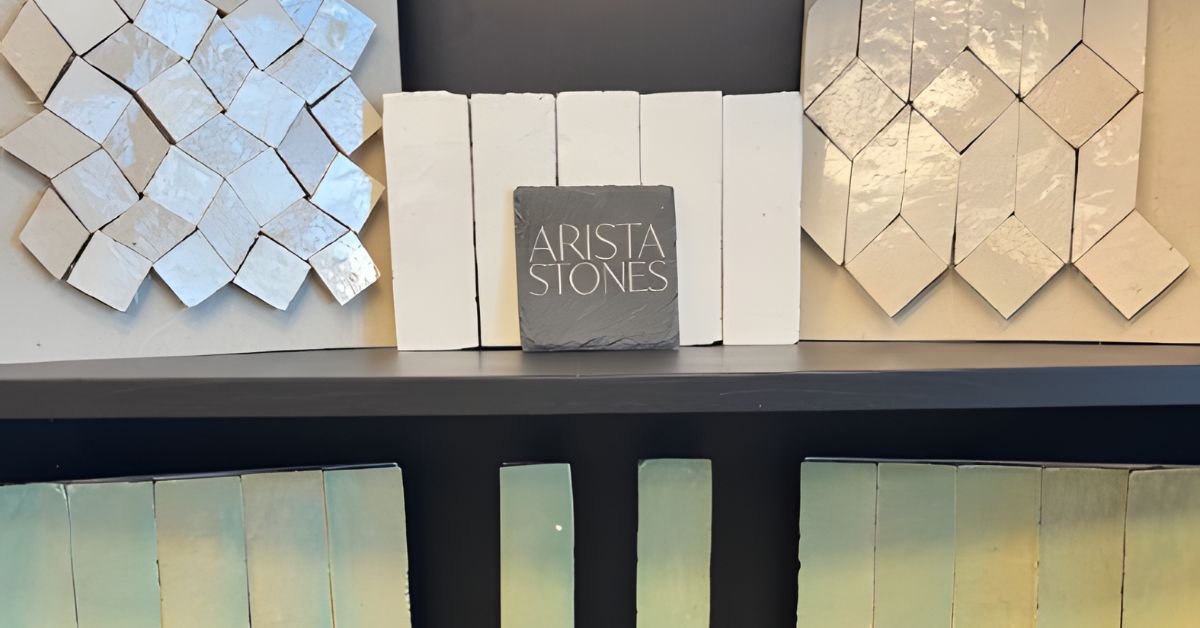
Where to Find Natural and Engineered Stone
Finding high-quality stone requires a reputable supplier that offers a wide selection and expert guidance. A knowledgeable team can help you navigate the differences between materials and find the perfect slab for your project’s aesthetic and functional requirements.
At Arista Stones, we offer a curated collection of both premium engineered and natural stone slabs. Our experts are available to walk you through our inventory and provide the information you need to make a confident choice. We invite you to visit our showroom to see our selection firsthand.
Making Your Final Decision
Ultimately, the choice between natural and engineered stone depends on your priorities. If you value unique, one-of-a-kind beauty and are willing to commit to regular maintenance, natural stone is an excellent option. If you prefer a consistent appearance, low maintenance, and a wide range of design choices, engineered stone may be the better fit.
By considering the key differences between natural and engineered stones, you can select a material that will enhance your space and stand the test of time. Both options provide a beautiful and lasting surface, ensuring your investment is a source of pride for years to come.