

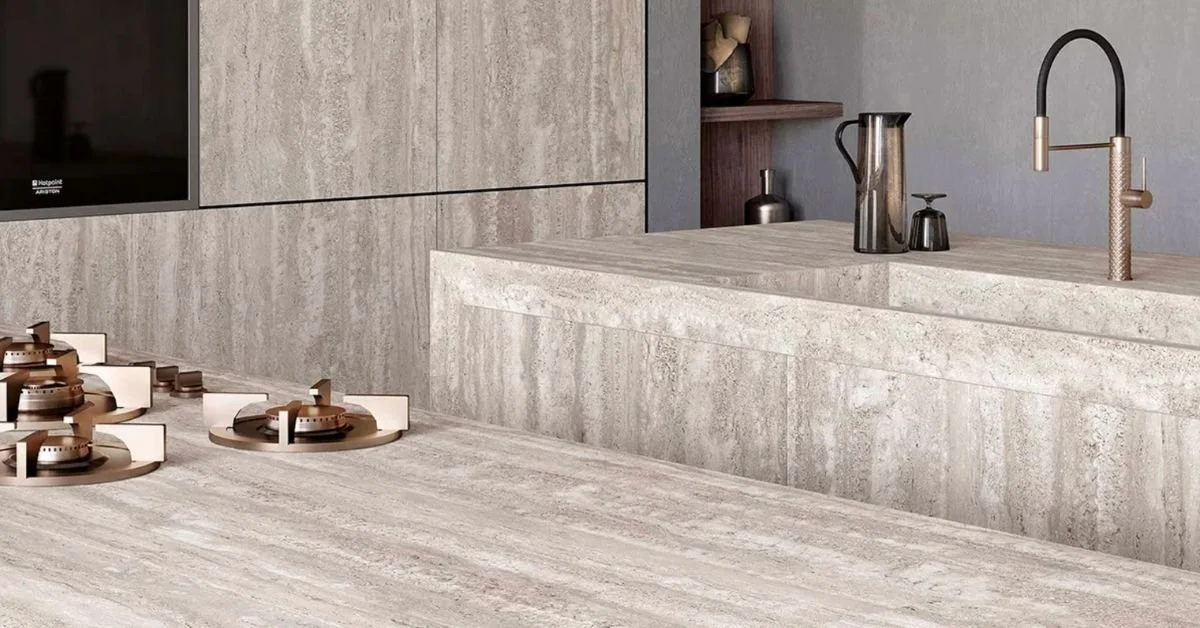
Stone Slabs: Exploring the Diversity of Materials Available
Choosing the right stone slab is one of the most important decisions in any remodeling or design project. Whether you’re updating a kitchen, bathroom, fireplace, or outdoor living space, the material you select impacts durability, maintenance, aesthetics, and long-term value. A knowledgeable stone slab supplier can help guide the process, but understanding the diversity of materials available makes it easier to choose with confidence. Explore the most common stone slab materials available today, how they differ, and which applications they are best suited for.
Why Stone Slabs Are So Popular in Remodeling Projects
Stone slabs continue to be a top choice in both residential and commercial design because they offer a rare balance of beauty and performance. Unlike tile or smaller surface materials, slabs create large, uninterrupted areas that highlight natural movement, depth, and color variation.
Homeowners often choose stone slabs because they elevate the overall look of a space while adding long-term value. Designers appreciate their versatility, as they can use the same materials for countertops, backsplashes, accent walls, or fireplaces. When properly selected and maintained, stone slabs can last for decades, making them a practical and aesthetic investment.
Natural vs. Engineered Stone Slabs: What’s the Difference?
Understanding the distinction between natural and engineered stone is an important first step when exploring slab options. Natural stone slabs come from quarries directly from the earth in large pieces. Each slab is unique, featuring natural veining, mineral deposits, and color variations man-made stones can’t duplicate. Granite, marble, and quartzite all fall into this category.
Engineered stone slabs are manufactured using crushed stone, most commonly quartz, combined with resins and pigments. These materials are designed to provide consistency in color and pattern while offering reliable performance and lower maintenance.
Some modern slab materials, such as porcelain, are technically neither natural nor traditional engineered stone, but they are increasingly included in slab showrooms due to their performance and design versatility.
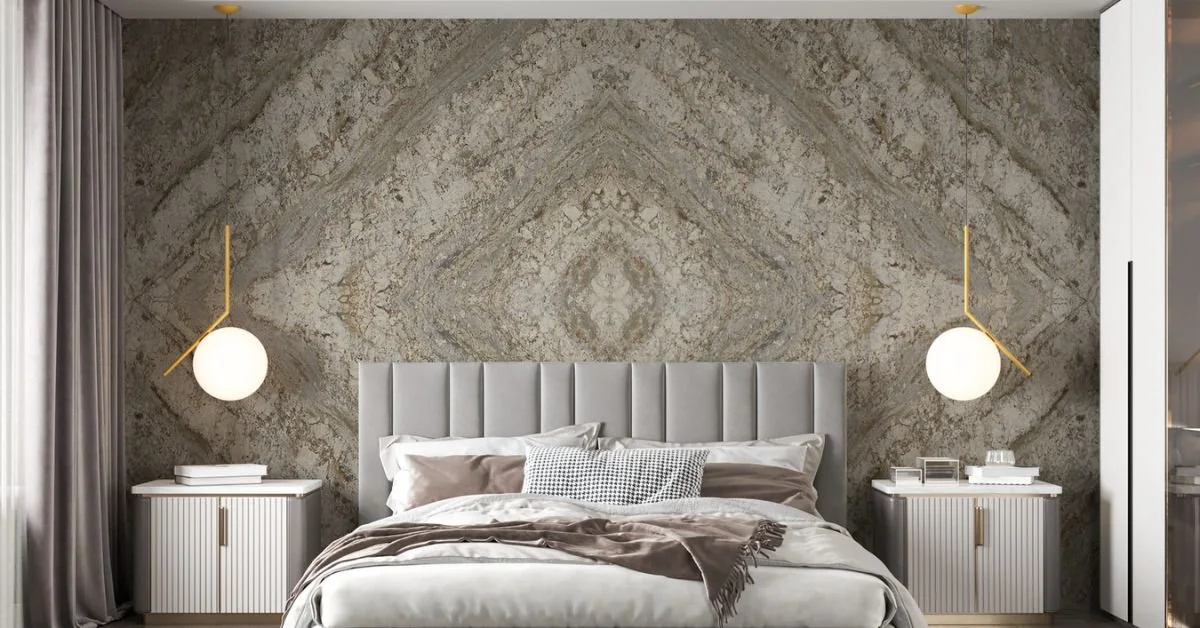
Granite Slabs: Durable and Timeless
Granite remains one of the most widely used stone slab materials, particularly for kitchens. Its popularity comes from its strength and versatility, along with its natural beauty.
Granite slabs are extremely durable and resistant to heat, making them well suited for cooking areas. When sealed properly, they resist scratching and staining and perform well in both indoor and outdoor environments. Granite is available in a wide range of colors and patterns, from subtle neutrals to dramatic, high-contrast designs. For homeowners looking for a reliable, long-lasting surface, granite is often one of the safest choices.
Marble Slabs: Elegant and Classic
Marble features soft veining and a refined appearance. It has been used in architecture and design for centuries and continues to be associated with luxury and timeless style.
While marble is visually striking, it is softer and more porous than many other stones. It can etch or stain when exposed to acidic substances, so care and proper placement is key. Marble is a common choice for spaces where visual impact matters more than heavy daily wear, making it a favorite for bathrooms, fireplace surrounds, and statement islands.
Quartz Slabs: Consistent and Low Maintenance
Quartz slabs are an engineered option that appeals to homeowners who want durability without ongoing maintenance. Because quartz is non-porous, it does not require sealing and resists staining, making it well suited for busy households.
One of the biggest advantages of quartz is consistency. Unlike natural stone, quartz slabs are designed to have predictable colors and patterns, which can be helpful when matching design elements across a space. Suppliers commonly recommend quartz for kitchens, bathrooms, and utility spaces where performance and ease of care are priorities.
Quartzite Slabs: Natural Beauty with Strength
Quartzite is a natural stone that is often mistaken for quartz, but the two materials are very different. Quartzite forms naturally under intense heat and pressure, resulting in a dense, hard stone.
Many homeowners are drawn to quartzite because it offers marble-like veining with greater durability. It is highly resistant to heat and performs well in high-use areas when properly sealed. Because availability can vary significantly, working with an experienced stone slab supplier is especially important when selecting quartzite. Quartzite is a strong choice for those who want a natural, elegant look without sacrificing performance.
Porcelain Slabs: Modern, Versatile, and Highly Durable
Porcelain slabs have become an increasingly popular option for homeowners and designers seeking a sleek, modern surface with exceptional performance. Made from refined clay and fired at extremely high temperatures, porcelain slabs are engineered to be dense, durable, and highly resistant to wear.
One of the biggest advantages of porcelain is its non-porous nature. Porcelain slabs do not require sealing and are resistant to stains, scratches, heat, and UV exposure. This makes them suitable for both indoor and outdoor applications, including kitchens, bathrooms, feature walls, and exterior cladding.
Porcelain slabs are also available in a wide range of designs, including styles that mimic natural stone, concrete, or marble. For those who want a consistent appearance with minimal maintenance, porcelain is a standout option.
How to Choose the Right Stone Slab for Your Project
Selecting the right stone slab involves more than choosing a color you like. It requires thinking about how the surface will be used on a daily basis, how much maintenance you’re willing to take on, and whether you prefer natural variation or a consistent look.
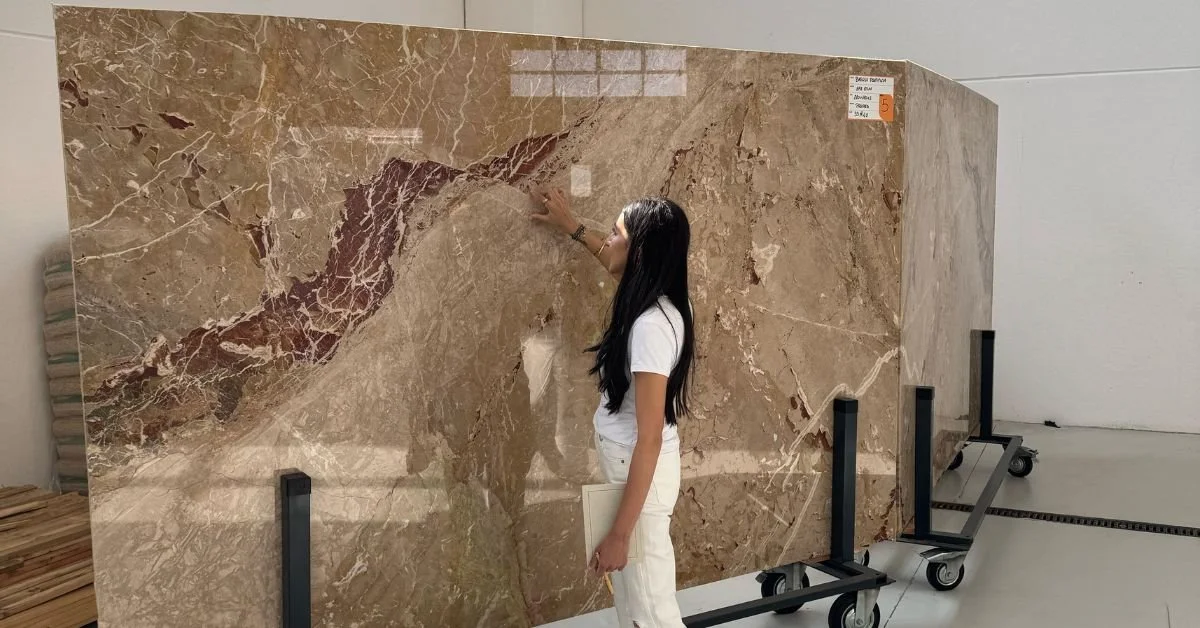
A knowledgeable stone slab supplier can help you evaluate full slabs, explain finishes, and recommend materials based on your lifestyle and design goals. Seeing slabs in person often helps narrow down choices and avoid surprises after installation.
The Role of a Stone Slab Supplier in Your Decision
A stone slab supplier does more than simply sell material. They provide access to quality stone, insight into durability and care requirements, and guidance on current design trends. Many also coordinate with fabricators and installers, helping ensure the slab you choose performs as expected once it’s in place.
Working with a reliable supplier like Arista Stones can simplify the process and lead to better long-term results. If you’re looking for any of the above materials for your next design project or home renovation, visit one of our galleries to see a full selection of quality stone slabs for yourself.
Final Thoughts: Finding the Right Fit
These diverse stone slab options offer a unique combination of durability, character, and design flexibility. From the strength of granite to the elegance of marble or the practicality of quartz, there is a material to suit nearly every space and lifestyle. By understanding the differences between available stone slab materials and partnering with an experienced stone slab supplier, homeowners and designers can confidently choose surfaces that look beautiful and perform well for years to come.