

Marble vs. Other Stones: How Formation Shapes Their Look
Architects and interior designers frequently select natural stone for its durability and distinct visual appeal. The specific geological history of a stone dictates its texture, color palette, and structural integrity. Understanding the formation process provides valuable insight into why certain materials look the way they do.
Igneous, sedimentary, and metamorphic processes create the vast array of stone slabs available on the market today. Marble and other rocks’ formations produce unique patterns that shape the material’s aesthetic character. Homeowners who grasp these differences can make more informed decisions for their renovation projects.
Marble Formation
Marble begins its existence as limestone or dolostone in a sedimentary environment. This parent rock undergoes a profound transformation through a process called metamorphism. Intense heat and extreme pressure within the Earth’s crust cause the minerals to recrystallize, which fundamentally changes the rock’s texture and structure.
The characteristic swirls and veins found in marble result from mineral impurities. Clay, silt, sand, or iron oxides present in the original limestone layers mobilize during the heating process. These minerals flow through the stone to create distinct artistic patterns that define marble slabs.
Pure white marble results from the metamorphism of very pure (silica-free) limestone or dolostone protoliths. The absence of impurities allows the calcite to crystallize without color variation. This results in the pristine, uniform appearance you can see in varieties like Thassos or Carrara.
Granite Formation
Granite forms from the cooling of molten rock known as magma. This process occurs deep beneath the Earth’s surface in an environment with high pressure. The cooling happens very slowly over thousands or even millions of years.
This slow reduction in temperature allows individual mineral crystals to grow large enough for the human eye to see. Geologists refer to this coarse-grained texture as phaneritic. The resulting stone consists of a tightly interlocking matrix of visible crystals.
The specific mineral composition determines the color and pattern of the granite slab. Quartz typically appears as grey, glassy, or transparent grains throughout the stone.
Darker minerals like mica and amphibole provide the black or dark brown speckles. These minerals crystallize at different temperatures as the magma body solidifies. The random distribution of these components creates the signature “salt and pepper” or speckled look of granite.
Quartzite Formation
Quartzite originates as quartz-rich sandstone. Similar to marble, it forms through metamorphic activity involving high heat and tectonic pressure. This geologic force fuses the quartz grains together with a silica cement.
The process creates an incredibly hard and dense material. The individual quartz grains recrystallize and merge to eliminate the porous texture of the original sandstone. This fusion makes quartzite one of the most durable natural stones available.
True quartzite breaks through the quartz grains rather than around them. This structural integrity distinguishes it from its sedimentary parent rock. The stone retains the grainy, sugary texture of sandstone but gains a glass-like luster.
Visual Differences
The formation method of each stone creates immediate and recognizable visual distinctions. Marble presents a soft, translucent quality due to its calcite crystal structure. Light penetrates slightly below the surface to create a characteristic “waxy” look.
Granite offers a completely different aesthetic defined by its granular composition. The distinct crystals create a busy, speckled pattern with no directional movement. The stone appears opaque and solid rather than translucent or soft.
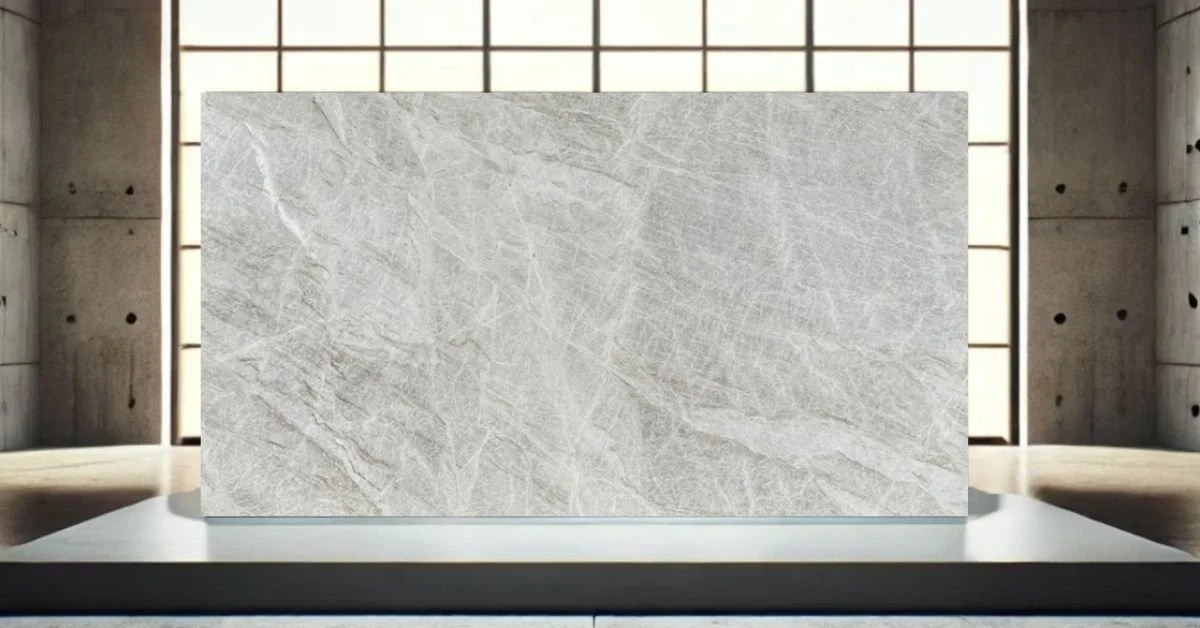
Quartzite combines the light coloration of marble with a unique crystalline sparkle. The fused quartz grains reflect light to give the surface a glassy or sugary sheen. It often features cross-bedding structures that look like linear, sweeping movement.
Marble veins appear as wandering lines that differ significantly from the background color. These veins range from thick, dramatic strokes to fine, capillary-like webs. This contrasts with the consistent, aggregate pattern of granite.
Granite patterns rarely show movement or directionality. The random orientation of crystals results in a uniform distribution of color across the slab. This consistency makes it easier to match seams in large countertops.
Uses & Applications
The geological origin of a stone directly impacts its functional hardness and porosity. Granite’s igneous formation results in a dense, hard surface resistant to scratching. This makes it an ideal choice for high-traffic kitchen countertops and flooring.
Marble’s metamorphic origin from calcium carbonate makes it susceptible to chemical reactions. The softer nature of marble allows for easier carving and shaping. Acids from lemons, vinegar, or cleaning products react with the calcite to etch the surface. Designers often reserve marble for bathrooms, fireplaces, or low-traffic areas.
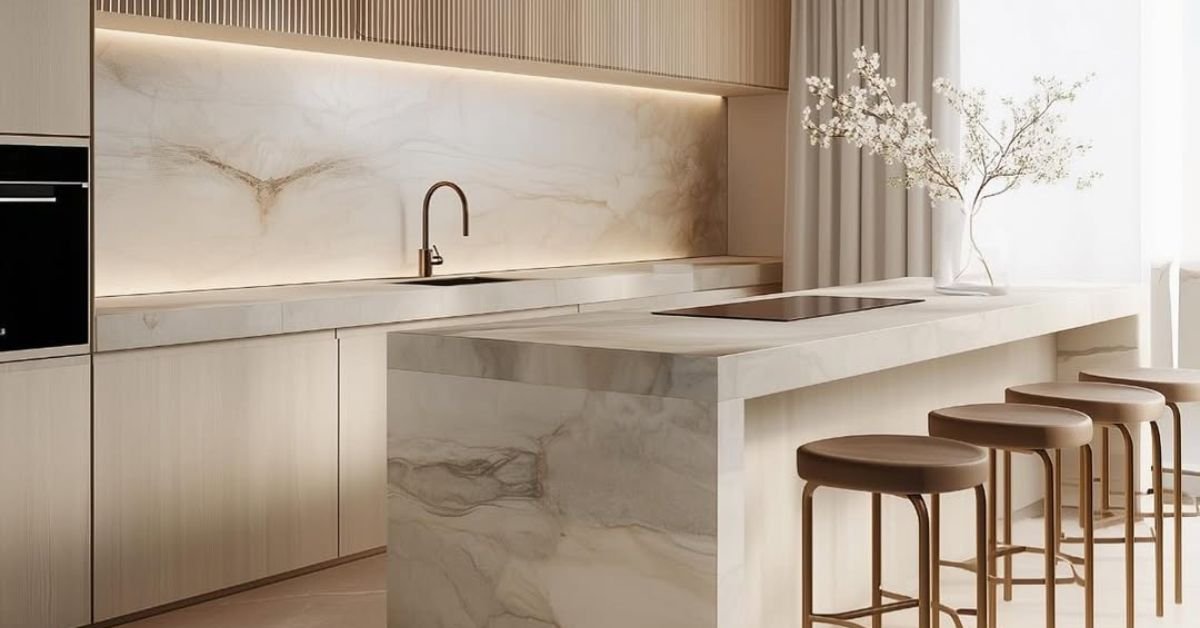
Quartzite offers the aesthetic beauty of marble with superior durability. Its formation from quartz grains makes it harder than both glass and knife steel. This allows it to withstand heavy kitchen use without etching or scratching easily.
The interlocking crystal structure of granite and quartzite creates low porosity. This resistance to liquid absorption prevents staining in busy culinary environments. Homeowners prize these stones for their ability to maintain their appearance with minimal maintenance.
Explore Marble and Other Natural Stones at Arista Stones
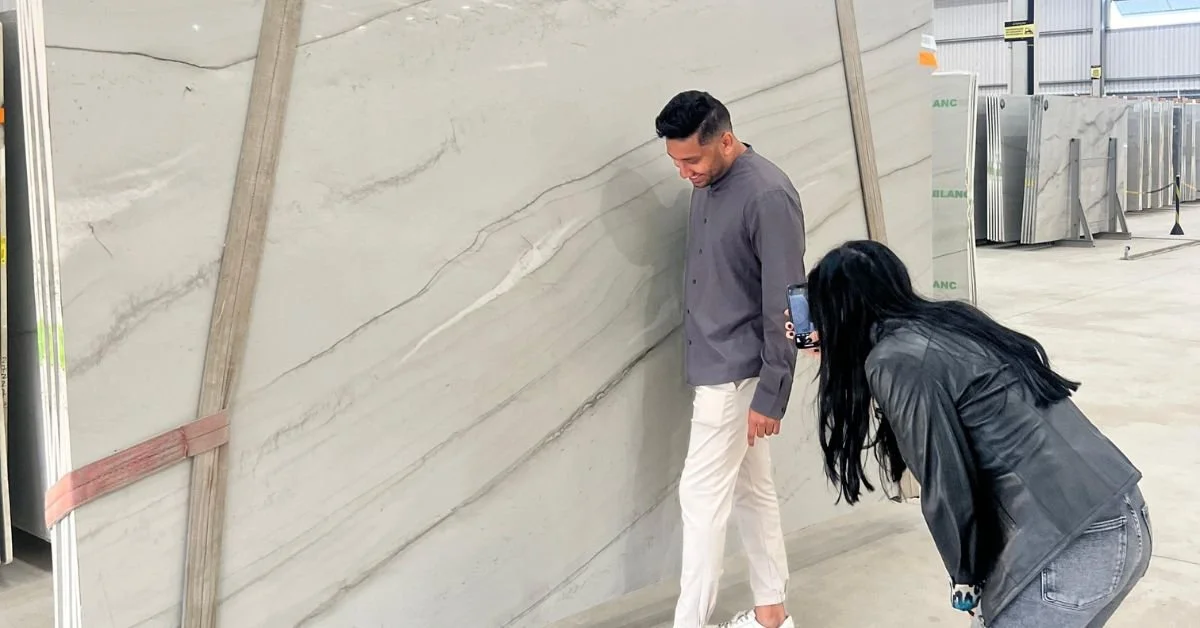
Selecting the right material requires seeing the geological details in person. Arista Stones maintains a vast inventory of premium marble, granite, and quartzite slabs. Our showroom allows you to examine the intricate graining and crystal structures up close.
We source our materials from the finest quarries around the world. Our team understands the unique formation history of every slab in our collection. We guide clients toward the stone that matches both their aesthetic vision and functional needs.
Visit Arista Stones today to view our current selection of marble stone slabs and more. You can compare the visual differences between metamorphic and igneous rocks side-by-side. Find the perfect piece of geological history for your next design project.
The visual differences between marble and other natural stones stem directly from their geological formation. Igneous cooling creates the speckled durability of granite. Metamorphic pressure produces the elegant veining of marble and the glassy hardness of quartzite.
These formation processes dictate the color and pattern as well as the texture and luster. Acknowledging these origins helps homeowners appreciate the unique character of their countertops and floors.
Choosing a stone surface involves more than just picking a color. It involves selecting a material with a specific history and structural integrity. The right choice balances the geological properties of the stone with the demands of the living space. Learn more or find assistance in choosing the right natural stone for your interior design project at Arista Stones.