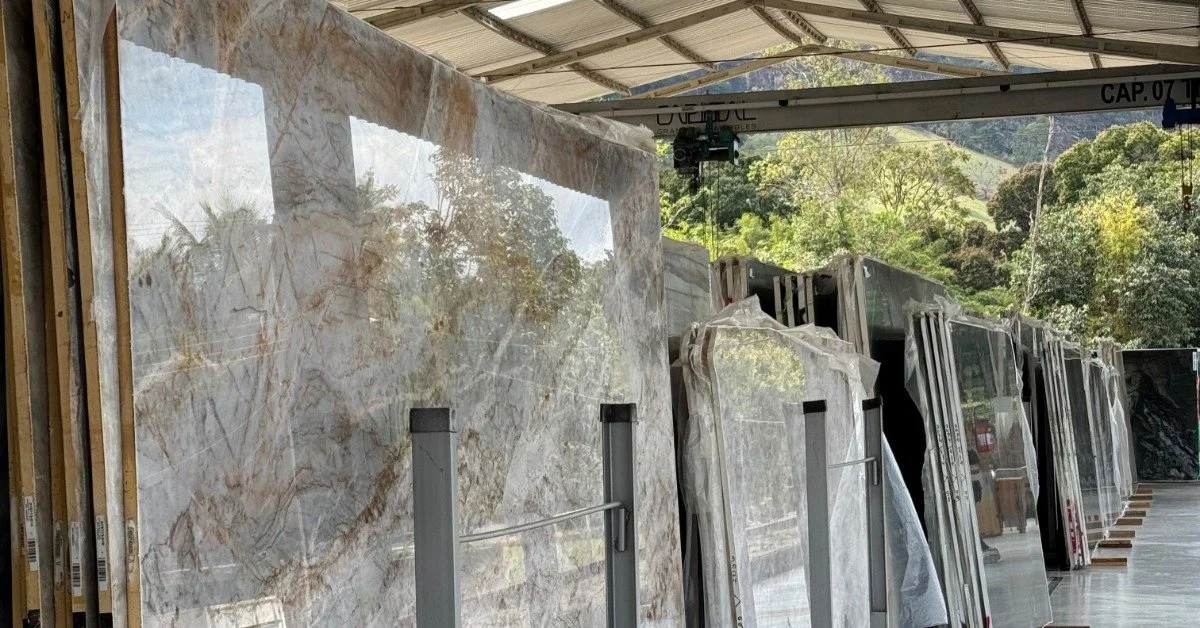
How To Choose the Right Stone Slab Supplier
Choosing a supplier shapes more than the material selection for a kitchen or custom interior. The right source can make it easier to compare slabs, understand natural variation, and move confidently from design toward fabrication. Knowing how to choose the right stone slab supplier means looking beyond a beautiful showroom and considering the experience, inventory, sourcing practices, and guidance behind it. A thoughtful supplier helps you evaluate stone while respecting the roles of your designer, contractor, and fabricator.
Start With Industry Experience
Stone is a natural material, so every slab presents its own character. Color movement, veining, mineral deposits, and fissures can vary, even among slabs sold under the same name. An experienced supplier understands these differences and can explain what you are seeing without making selection complicated.
Experience also matters when your project has specific visual goals. A knowledgeable team can help narrow the available choices based on your preferred look and application. This guidance does not replace advice from your fabricator, but it can help you approach that conversation with a clearer material preference.
Look for a Strong Slab Selection
A supplier should give you meaningful options rather than steering every project toward the same few materials. Natural stone categories such as granite, marble, and quartzite can offer dramatically different appearances. Engineered quartz and porcelain add other possibilities for different project needs.
Seeing a broad inventory can also help you refine your preferences. You may arrive expecting a quiet surface and prefer expressive veining after viewing full slabs. A well-curated selection gives you room to compare materials in person instead of making a design decision from a small sample alone.
View Full Slabs Whenever Possible
Small samples have a place in early planning, but they cannot show the complete movement of many stone slabs. A full slab reveals how veining travels across the surface and how colors shift from one area to another. That larger view becomes especially important for islands or expansive countertops where much of the material remains visible.
When viewing natural stone, remember that variation is part of its appeal. Ask to see the actual slabs you’re considering for your project whenever inventory and purchasing arrangements allow. This approach helps you select material based on available material rather than a representative image.
Choose a Supplier That Respects Professional Installation
Stone slabs require professional handling. The supplier you choose should understand the importance of working with experienced fabricators and installers rather than encouraging a do-it-yourself approach. Large, heavy slabs demand specialized equipment, accurate measurements, and skilled fabrication before they become finished surfaces.
Your fabricator can also advise on project-specific details that may influence slab quantity or layout. Bringing that professional into the process early helps connect your preferred material with practical fabrication requirements. A responsible supplier supports that collaboration instead of trying to take over work outside its role.
Find a Supplier That Makes Selection Feel Personal
Choosing stone is both a practical purchase and a design decision. The best showroom experience gives you enough time to look closely, ask questions, and compare possibilities without unnecessary pressure. You should feel comfortable discussing what you like, what concerns you, and how the material fits the overall vision for the space.
A personal approach is especially useful with natural stone because no two slabs are exactly alike. Thoughtful guidance can help you notice details you might otherwise miss while keeping the final selection in your hands. The supplier's role is to provide access and knowledge so you can make an informed choice with your project professionals.
Choose Arista Stones for Your Slab Selection
Choosing the right stone slab supplier comes down to finding a knowledgeable source with quality materials, transparent guidance, and a clear respect for the professionals involved after selection. Arista Stones is a family-owned stone slab supplier serving homeowners and trade professionals with a curated selection of natural and engineered surfaces. With decades of industry experience, the Arista team personally visits quarries as part of its sourcing approach and helps customers compare slabs with informed, approachable guidance. Visit an Arista Stones showroom to view available slabs and begin selecting material for your project.
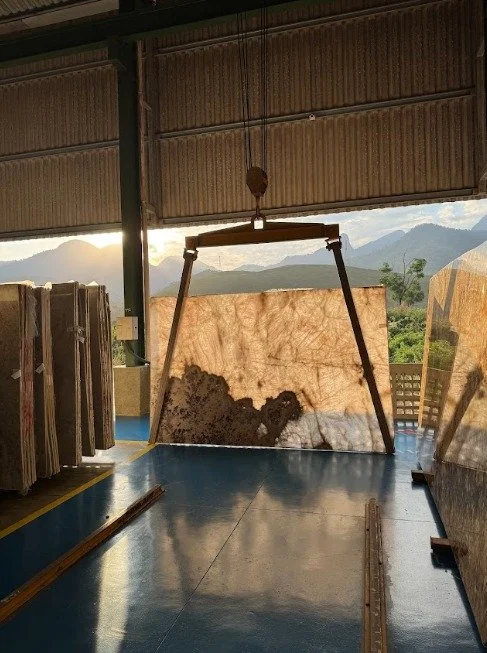
Ask How the Supplier Sources Stone
Sourcing can tell you a great deal about a supplier's relationship with the materials it sells. Suppliers that carefully select slabs can develop a stronger understanding of the stone, its visual qualities, and the range available from different sources. That familiarity can support a more informed showroom experience.
Ask where materials come from and how the supplier approaches selection. A transparent supplier should be comfortable discussing its sourcing process in straightforward language. The goal is not to hear an elaborate sales pitch; it is to understand whether the company takes an active role in choosing the products it brings into its inventory.
Pay Attention to Product Knowledge
A stone showroom should be more than a warehouse filled with attractive surfaces. The people helping you should be able to explain basic differences among material categories and discuss characteristics that may affect your decision. They should also recognize when a question belongs with the professional who will fabricate or install the material.
That distinction is important. A slab supplier sells and helps customers select material, while a fabricator handles tasks such as cutting, edge fabrication, and installation preparation. Suppliers should not blur those responsibilities or promise outcomes that depend on another professional's workmanship, measurements, or project-specific decisions.
Expect Clear, Practical Guidance
Good guidance should make stone selection easier to understand. Staff should answer questions directly, acknowledge natural variation, and avoid presenting every material as suitable for every situation. If a project involves concerns about fabrication, support, seams, or installation, the supplier should encourage coordination with a qualified fabricator.
This kind of communication is particularly valuable for homeowners who are choosing slabs for the first time. Designers, builders, and fabricators also benefit from suppliers who communicate efficiently and understand the expectations of professional projects. In both cases, clarity helps keep material selection aligned with the larger project team.
Consider Service Beyond the Showroom
Inventory is important, but service also affects the purchasing experience. Ask how the supplier coordinates slab holds, orders, and delivery to the fabricator. Understanding these steps early can prevent confusion once you have found a material you want to use.
Responsiveness matters as well. A supplier should communicate about availability and explain what happens after the selection process. Because slab purchasing often involves coordination among several parties, reliable communication can help everyone understand where the material is in the process and what needs to happen next.