

11 Tips for Designing a Feature Wall Using Granite Slabs
A feature wall can change the entire feel of a room when the material choice and layout support the design. Granite stands out because it offers bold movement, strong color variation, and a durable surface that fits both modern and classic interiors.
A feature wall using granite often becomes the visual anchor of the space. The right slab selection brings texture, depth, and natural variation that painted drywall or small-format tile cannot match. If you’re considering designing a feature wall with granite, here are some tips to help you promote a seamless design.
Start With the Purpose of the Wall
Every successful feature wall starts with a clear design goal. Some walls need to create drama in a main living space, while others are added to create warmth, structure, or contrast in a quieter room.
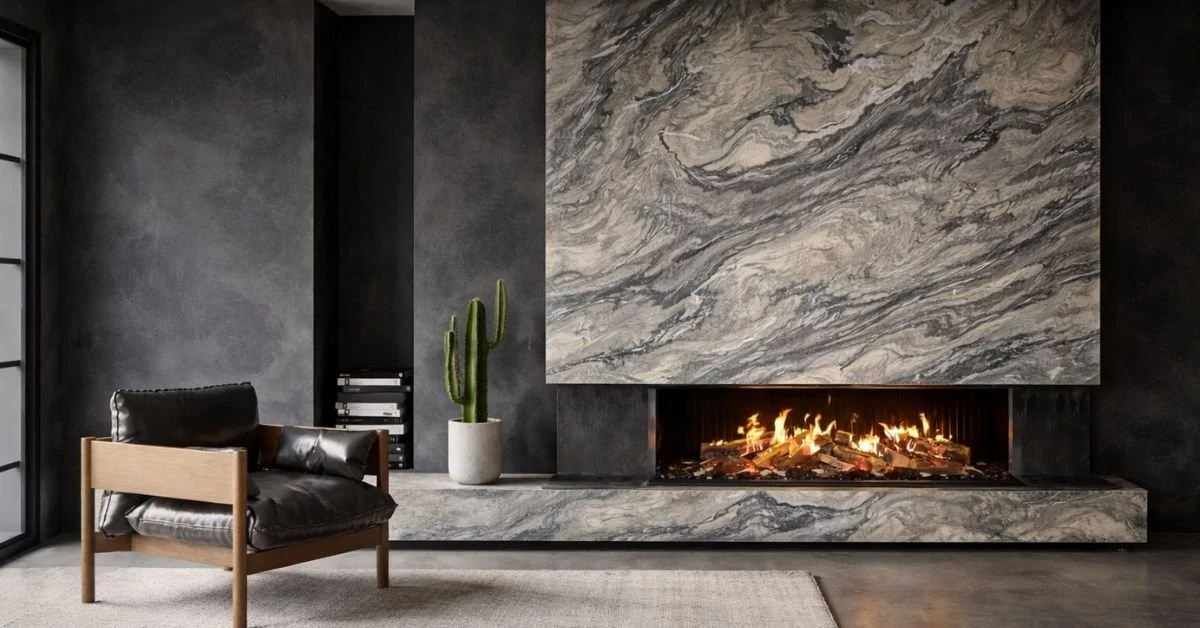
A fireplace surround wall, a double-height entry wall, a dining room focal point, or a primary bathroom accent wall each calls for a different approach. The slab, finish, scale, and pattern direction should all support that specific purpose.
Choose A Granite Slab With The Right Visual Movement
Not every granite slab suits a feature wall. Some slabs show soft, consistent patterning, while others carry large mineral movement, dramatic veining, or strong color shifts that demand attention.
For a statement wall, slabs with visible movement often create the strongest result. Bold patterning can add depth and energy, especially in larger rooms where subtle material variation may disappear from a distance.
For a more restrained design, granite with tighter grain or even color distribution can create sophistication without overpowering the room. The surrounding finishes should guide that decision.
Think About Scale Before Making A Selection
A slab may look perfect in the gallery but feel too busy or too quiet once installed on a full wall. Scale matters because the size of the wall changes how the pattern reads from across the room.
Large feature walls often need slabs with enough variation to stay visually interesting at a distance. Smaller walls may benefit from more controlled movement so the design does not feel crowded.
Ceiling height also affects the final look. A tall wall can emphasize vertical movement, while a wide wall may benefit from broader pattern flow that supports a horizontal layout.
Plan The Slab Layout Early
Layout planning should happen before final slab approval. Granite is a natural material, so no two slabs match exactly, and the orientation of the pattern can dramatically affect the finished wall.
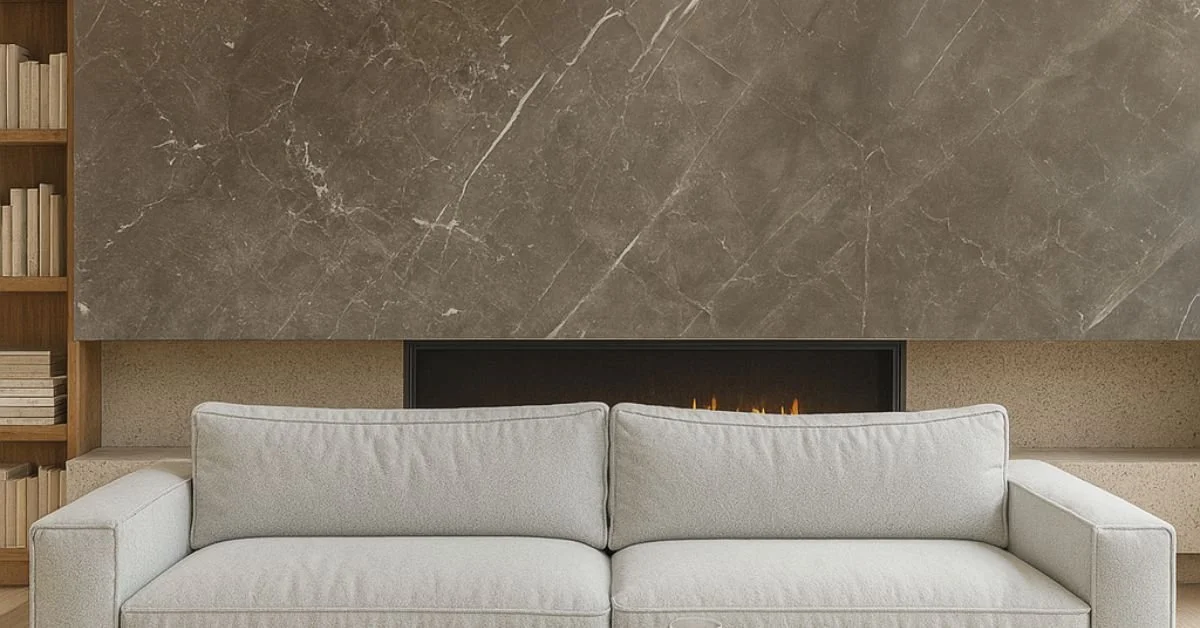
Bookmatching, vein matching, and seam placement all influence the final design. A feature wall should look intentional, not assembled as an afterthought after fabrication decisions have already been made.
Coordinate The Wall With The Rest Of The Room
A feature wall should stand out, but it should still feel like a part of the room. Flooring, cabinetry, paint color, metal finishes, upholstery, and wood tones all affect how granite will read once installed.
Granite with warm undertones may clash with cool gray finishes if you haven’t considered a color palette carefully. Dark slabs can feel rich and grounded, but they may also absorb light if the room already has deep finishes and limited natural brightness. Aim for controlled contrast between colors and lighting.
Use Lighting To Bring Out The Stone
Lighting plays a major role in how granite performs as a wall surface. Natural stone contains mineral variation, depth, and texture that may not show fully under flat or poorly placed lighting.
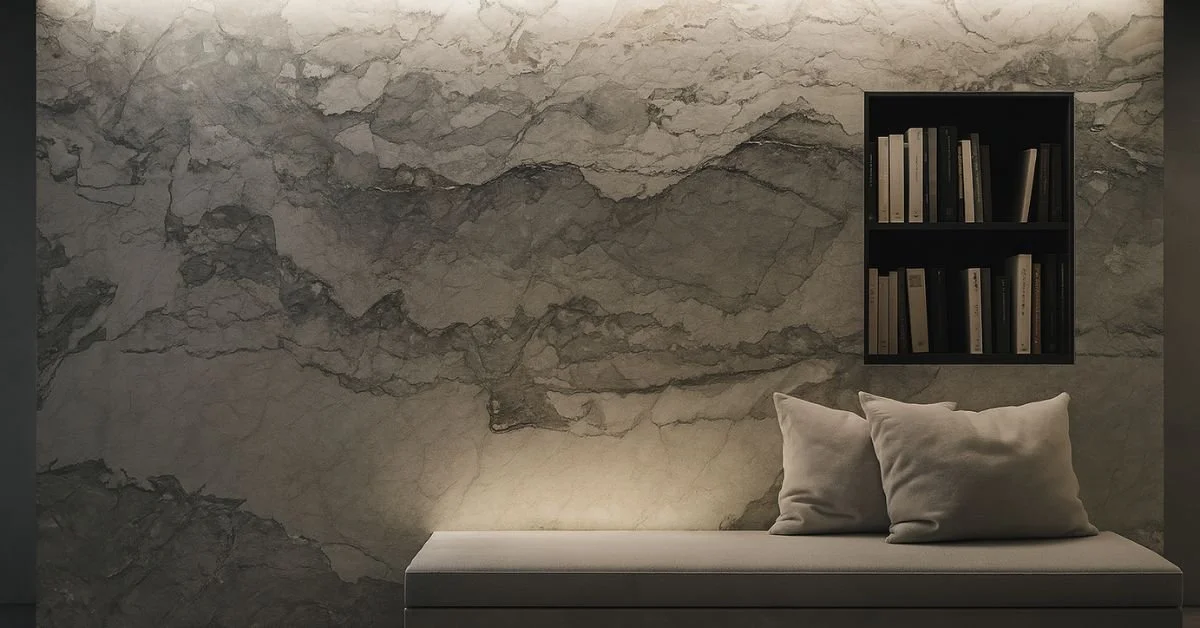
Grazing light can emphasize movement and texture, while soft ambient lighting can create a calmer effect. In some spaces, accent lighting above or beside the wall helps bring out details that would otherwise fade into the background.
Before finalizing the slab, it helps to view the material under lighting conditions that resemble the installation space. That step can reveal undertones and movement more accurately than overhead showroom lighting alone.
Consider Finish And Surface Texture
Polished granite often creates the most dramatic visual effect on a feature wall. It reflects light, sharpens color, and highlights mineral detail in a way that feels elevated and substantial.
Honed or textured finishes can also work well, especially when the project calls for a softer or more contemporary look. These finishes may reduce glare and create a more understated surface, but they still preserve the natural character of the stone.
Make Seam Placement Part Of The Design
Seams are part of most slab installations, especially on large walls. Because they are largely unavoidable, designs should aim to place them in ways that support the overall visual flow.
Poor seam placement can interrupt movement and weaken the impact of the stone. Good seam planning helps preserve pattern continuity and keeps attention on the beauty of the material rather than the technical joins.
A few design factors should be reviewed before fabrication begins:
overall wall width and height
slab dimensions and yield
direction of movement in the stone
sightlines from key viewing angles
integration with fireplaces, niches, or millwork
These details often determine whether the wall feels cohesive once installed.
Match The Granite To The Room Type
Different rooms place different demands on a feature wall. A living room wall may need visual warmth and strong presence, while a bathroom wall may need a cleaner, calmer expression.
In a fireplace setting, granite can create a solid architectural focal point. In a kitchen or bar area, it can connect beautifully with nearby stone surfaces for a more unified design story.
Bedrooms, powder rooms, and entryways each create different opportunities as well. The right slab selection depends on the scale of the room, available light, and how bold the design needs to feel.
Work With Professionals On Measurement And Installation Planning
A feature wall using granite requires more than material selection. Precise field measurements, fabrication planning, substrate preparation, and professional installation all shape the result.
As a slab supplier, Arista Stones focuses on helping homeowners and designers choose the right material for the project. You can leave the fabrication, cutting, and installation to our qualified professionals who understand how to work with large-format granite stone slabs.
Visit Slabs In Person Before Finalizing The Design
Photos can help narrow options, but they rarely show the full depth, scale, or movement of natural granite. Viewing full slabs in person gives designers and homeowners a much clearer understanding of color, pattern, and finish.
Natural stone always carries variation, and that variation is part of the value. Seeing the slab firsthand supports more confident design decisions and better project outcomes.
Start Designing With Granite
A granite feature wall succeeds when the design balances beauty, scale, and planning. The material should suit the room, the layout should feel intentional, and the surrounding finishes should support the stone rather than compete with it.
For homeowners and designers who want a feature wall with depth, permanence, and natural character, granite remains one of the strongest material choices available. With the right slab and a well-planned layout, the wall can become the defining design element in the space.
For expertly sourced granite slabs and guidance during the slab selection process, connect with Arista Stones. Our team helps homeowners, designers, and builders find standout materials for distinctive interior projects.